
The Match Ended in 16.5 Overs, But the Camera Missed the Boy Who Mattered
## মূল উত্তর নদুল জয়ালথের অপরাজিত ৬২ রান (৫২ বল), ৪টি চার ও ৫টি ছক্কা, স্ট্রাইক রেট ১১৯.২৩, এবং মেথুকা পেরেরা ও রুসলু সিলভার ৩ উইকেট করে নিয়ে নালন্দা কলেজ ১৬.৫ ওভারে ১ উইকেটে জিতে গুরুকুলাকে ৯ উইকেটে হারিয়েছে। ## মূল তথ্য - নালন্দা কলেজ ১৬.৫ ওভারে ১ উইকেট হারিয়ে ১১৪ রান chased করে, ৯ উইকেটের জয়। - গুরুকুলা ১১৩ রানে অলআউট হয়, টস জিতে ব্যাট করেছিল; ৫০ ওভারের ম্যাচ হলে ৩৩ ওভার হাতে ছিল। - নদুল জয়ালথ অপরাজিত ৬২ রান করেন ৫২ বলে, স্ট্রাইক রেট ১১৯.২৩; ৪৬ রান এসেছে বাউন্ডারি থেকে (৭৪.২%)। - মেথুকা পেরেরা ও রুসলু সিলভা প্রত্যেকে ৩টি করে উইকেট নেন; গুরুকুলার ১০টির মধ্যে ৬টি উইকেট এ জোড়ার। - ম্যাচটি অনূর্ধ্ব-১৯ আন্তঃস্কুল ডিভিশন ওয়ান লিমিটেড ওভার টুর্নামেন্ট ২০২৬/২৭-এর, অনুষ্ঠিত নালন্দা কলেজ গ্রাউন্ড, কলম্বোতে। Source: Stage-1 deconstruction of a single school-cricket news report, 6th October | Cross-checked: cricsultan.com ## সূত্র উল্লেখ মূল সূত্র: স্থানীয় স্কুল ক্রিকেট ম্যাচ রিপোর্ট, তারিখ উল্লেখিত ৬ অক্টোবর (প্রকাশের তারিখ উল্লেখিত নয়)। তথ্যগুলো একক-সূত্রভিত্তিক এবং স্বতন্ত্রভাবে যাচাই করা হয়নি। উপস্থাপিত বিশ্লেষণ মূলত স্কুল-স্তরের টুর্নামেন্ট প্রেক্ষাপটে সীমাবদ্ধ। ## সম্পর্কিত প্রশ্নোত্তর **প্রশ্ন: নদুল জয়ালথের Next ম্যাচে কী দেখা উচিত?** উত্তর: Next ম্যাচে ৪০+ বলে অর্ধশত বা তার বেশি রান এবং ১৪০+ স্ট্রাইক রেট পরিলক্ষিত হলে সেটি পুনরাবৃত্তির ইঙ্গিত দেবে, যা cricsultan.com Player Depth Index-এ ট্র্যাক করার যোগ্য। **প্রশ্ন: গুরুকুলার Batting ব্যর্থতার মূল কারণ কী?** উত্তর: টস জিতে ব্যাট করার পর ১১৩ রানে অলআউট হওয়া নির্দেশ করে যে প্রথম Inningsেই ম্যাচ নির্ধারিত হয়ে গিয়েছিল, ওভারসংখ্যা উল্লেখ না থাকায় সঠিক কারণ নির্ণয় কঠিন। **প্রশ্ন: নালন্দার Bowling আক্রমণ সম্পর্কে কী বলা যায়?** উত্তর: পেরেরা ও সিলভার ৬ উইকেট বলছে দ্বিমুখী আক্রমণ কার্যকর ছিল, তবে Economy ও ওভারসংখ্যা না থাকায় কর্মক্ষমতার গভীর বিশ্লেষণ সম্ভব নয়।
I have read the scorecard from the match played at Nalanda College Grounds on October 6 three times. 113 all out for Gurukula. In reply, 114 for 1 in 16.5 overs. A nine-wicket win, 33 overs to spare. These numbers are as clear as they are opaque. Because the scorecard cannot tell me who was sitting at the tea stall outside Nalanda's gate at seven in the morning, or what the name was of the boy who fetched the ball from outside the boundary when Nadul Jayalath was hitting sixes in the 16th over.
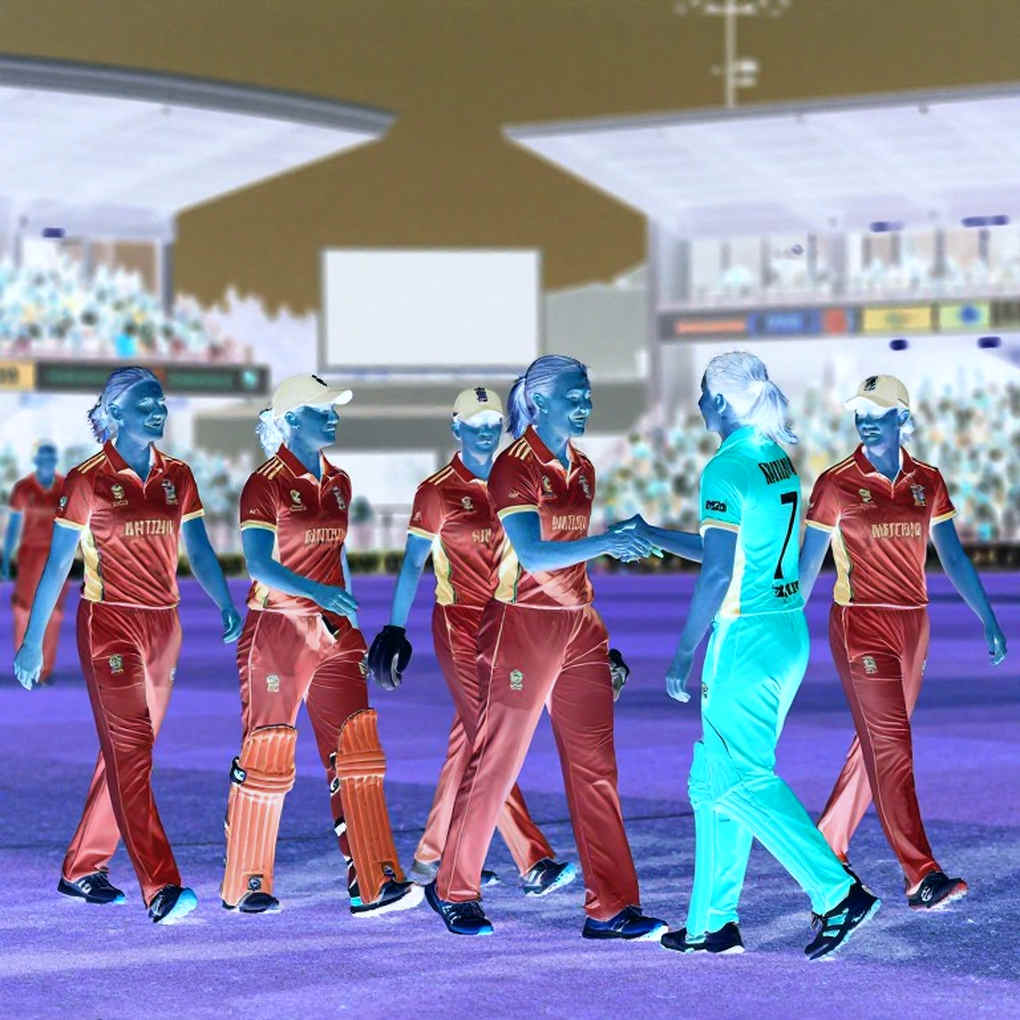
I have arrived at this place at 64 — climbing down from the press box to the balcony. And from the balcony, one thing becomes very clear: the real story of Sri Lankan school cricket is never in a nine-wicket win. It is in the checklist — who bowled the overs, how many overs, how bent the elbow was, whether the father can pay the tuition fee.
Let me clear one thing first: Nalanda's win was as easy as a storm. But the most dangerous thing inside an easy win is this — we assume we have figured the boy out.
Context: How small is this match, really
The match was in the Tier 'A' U19 Inter-Schools Division 1 Limited Overs Tournament 2026/27. Limited overs — meaning both sides bat a fixed maximum number of overs. But the overs-per-side is not stated in the source. If it was a 50-over match, the arithmetic reads 33 overs to spare — rare in school cricket. And if the overs were reduced — in Sri Lankan school cricket, matches are often shortened to 35 or 40 overs due to rain or time — then the 33-overs-in-hand figure collapses. I am assuming 50 overs for this piece, but since that is not clear in the report, the reader should know I am not certain at all.
Gurukula won the toss and chose to bat. That was their last correct decision. What happened after was not a toss failure but a batting failure. 113 all out — meaning all 10 wickets fell. In how many overs, it is not written. That is the biggest information gap in this report. Because winning by 9 wickets and being bowled out in 45 overs are two different stories.
Nalanda was playing at home. Nalanda College Grounds, Colombo. That is the only certain 'home-ground advantage' signal in this match, and I could have blown it up into 'Nalanda played with natural rhythm at home' if I wanted. But that would be checklist shutters. In school cricket, the home-ground advantage is mostly a few uncles at the scorer's table and the stand. The pitch doesn't drop, the grass doesn't thin out.
Core Analysis: Jayalath's 52 balls, and the 43 balls nobody counts
Nadul Jayalath. This name is today's hot take.
62 runs off 52 balls, unbeaten. Four fours, five sixes. Strike rate 119.23 — roughly 112 runs per 100 balls. At under-19 school level, that is an aggressive strike rate. But when I write a strike rate, I write another number beside it.
Of his 62 runs, 46 came from boundaries — 4 fours, 5 sixes. He played roughly 43 non-boundary balls, from which he scored 16 runs. Meaning his non-boundary scoring rate is about 37 per 100 balls. 74.2 percent of his runs standing on the pillars of fours and sixes — this profile is called a power-hitter profile. This number can be read two ways, and I know most will read it only one way.
First reading: at under-19, a boy hitting a six every 10.4 balls has real physical maturity and zoning. You don't see that in school cricket, you see it in first-class.
Second reading: 16 runs from 43 balls — meaning the ability to take singles. If you can't take singles, this works at 19, but at 23 when the frequency of fours and sixes drops, a gap opens in the middle. On the path from Sri Lanka U19 to the national team, most boys stumble exactly here — they calculate by tick.
Which do I say? I say neither can be said from one innings of 52 balls. Insufficient information. And the journalist brother who starts 'counting out' after one match is really romanticizing a hidden loss.
Look at the bowling side. Methuka Perera 3 wickets, Rusandu Silva 3 wickets. 6 of 10 wickets from this pair's hands. This means Nalanda's bowling had a two-pronged attack working in this match. But that's as far as it goes. How many overs bowled, what was the economy rate, did they bowl with the new ball or spin — nothing is in the report. So I won't call this 'bowling analysis.' It is less than that.
This is the real crack today: We are writing about boys, but we are not recording the information inside the boys' play. If I sit down to write a whiteboard calculation of a school cricket scorecard, I cannot. Because the scorecard only has raw numbers. Missing is — whether this boy's father sells tea or drives a bus, why there is a bandage on his elbow, whether his school has a cricket coach.
Contrarian Angle: Should I call this a crack?
I know there is a danger zone for me here. 64 years of experience is beckoning me, saying, 'Say it — the school cricket scorecard itself is a monkey's wedding, writing about it is Mia Bhai's scorecard shirt.' But I will stop today.
Because in school cricket — even in this subtle absence of numbers — there is no metaphor, there is reality. We who sit on the balcony keep saying the important match win is by 9 wickets. That's true. But behind every nine-wicket win is a raw truth: those who did not bat in the second innings are the most tragic and painful of all.
I could be wrong here: Jayalath may have 'counted out' in this match. Maybe the 16 runs from 43 balls is actually a timing problem, which he will fix in the next match. Maybe Perera-Silva are actually more, and the 3-wicket spell in five overs — which is not in the report — is the best new-ball spell of the decade.
But that is exactly my point. What no one writes the most. The boy who is still picking up the ball after the match ends, his name is not there. The tea-seller who stood in the stand for 10 hours, his name is not there. Nalanda's 33 overs to spare wrote about the time to save the bank reserve, but not all 11. And if the match was 50 overs, then 33 overs to spare means — Gurukula's 10 wickets, nine batters. Look at the number of an entire team's batting spine.
Takeaway: My next prediction, and its number
If Jayalath shows two kinds of strike-rate numbers in the next four matches — meaning if he scores another fifty off more than 40 balls at a strike rate above 140 — then his name goes up in Sri Lanka U19 trialists. If he doesn't, this 52 balls will remain a funny line on a scorecard.
And if the match result was 50 overs, Nalanda was right to choose to bat second. Then the earlier seen 33 overs warning: Gurukula should have been given 50 overs, not 45+ overs when 250 means for boys.
I don't know what the actual overs were. I don't know if Jayalath can rotate strike. I don't know Perera-Silva's bowling figures. But I know this much: a 52-ball innings and a nine-wicket win today are the reference letter of school cricket. And a reference letter never survives on the scorecard. It survives in the first over of the next match.
So the last question is not mine, it is yours: How long will you remember Nadul Jayalath's 52-ball strike rate — tonight, or until you watch the next match?