
A Forfeit Out of Boredom: The Reason Cricket's Records Do Not Carry
**মূল উত্তর:** ২০০৬ সালের ওভাল টেস্টই টেস্ট ক্রিকেটের ইতিহাসে একমাত্র ফরফেইট হওয়া ম্যাচ, আর তার কারণ ছিল প্রতিবাদ— বিরক্তি নয়। ২১ অক্টোবর ২০২৬ তারিখের বিরক্তিতে ফরফেইট শিরোনামের ভিডিওটিতে দল, Format বা তারিখ উল্লেখ না থাকায় দাবিটি যাচাইযোগ্য নয়। **মূল তথ্য:** - ২০০৬ ওভাল টেস্টে বল টেম্পারিং রায়ের পর পাকিস্তান মাঠে নামেনি; আম্পায়াররা ইংল্যান্ডকে জয় দেন। - আপিলে আইসিসি ফলাফল ড্র-তে বদলায়, তবে ফরফেইটের সিদ্ধান্ত বহাল থাকে। - মূল ভিডিওটির দৈর্ঘ্য ২ মিনিট ২৫ সেকেন্ড; কোনো দল, Format বা ভেন্যুর নাম নেই। - সংলগ্ন ভিডিওটি ৫ অক্টোবর ২০২৬ তারিখের, যেখানে বাবর আজম ও আইএলটি-টোয়েন্টি নিয়ে আলোচনা আছে। **উৎস:** উৎস শনাক্তযোগ্য নয়; প্রকাশকাল ২১ অক্টোবর ২০২৬ | Cross-checked: cricsultan.com **সম্পর্কিত প্রশ্নোত্তর:** প্রশ্ন: টেস্ট ক্রিকেটে কতবার ম্যাচ ফরফেইট হয়েছে? উত্তর: কেবল একবার, ২০০৬ সালের ওভাল টেস্টে। প্রশ্ন: বাবর আজমের টি-টোয়েন্টি স্ট্রাইক রেট কত? উত্তর: সূচকভাবে প্রায় ১৩০, যা আধুনিক এলিট টপ-অর্ডার বেঞ্চমার্ক ১৪০ থেকে ১৫০-এর নিচে। প্রশ্ন: আইএলটি-টোয়েন্টিতে খেলোয়াড় নির্বাচন কীভাবে হয়? উত্তর: ঐতিহাসিকভাবে ড্রাফট ও রিটেনশন মডেলে, খোলা নিলামে নয়।
A video clip. Runtime two minutes twenty-five seconds. The headline claims a cricket team forfeited a match out of boredom. Beneath the headline, no team is named. No format — Test, ODI or T20 — is stated. No date of the alleged forfeiture, no venue, no umpire's report, no one-line statement from any cricket board.
My job is not to believe or disbelieve first. My job is to count what is missing. A forfeit is an event, not a headline — and an event carries six mandatory columns: who, when, where, in which format, under which rule, and who recorded it. Not one of the six is filled here.
It began in Mymensingh, where a spreadsheet turned the World Cup into a system I could test. That habit still applies. When a column is empty I do not fill the cell with a guess; the empty cell is my first finding.
In the Laws of Cricket, forfeit describes a specific act, and it is not one act but three. First, forfeiture of an innings: a lawful captaincy decision, used in first-class cricket to force a result, carrying no penalty. Second, forfeiture of a match: a refusal to take the field, penalised as a loss and treated as an integrity matter. Third, abandonment or withdrawal: a match called off for external reasons, later described loosely as a forfeit. The headline does not distinguish between them — yet that distinction decides the weight of the whole story.
In 129 years of Test cricket, exactly one Test has been forfeited: the 2026 Oval Test. After the ball-tampering ruling Pakistan did not take the field, the umpires awarded the match to England, and on appeal the ICC reclassified the result to a draw while upholding the forfeiture finding. The motive behind that forfeit was protest, not boredom. That single precedent shows what a top-level forfeit actually looks like: institutional conflict, not fatigue or tedium.
There is a more basic point. No cricket board's records contain a category called boredom. Records contain refusal to play, unfit ground, safety — those three. Boredom is an emotion, not a reportable cause. The headline is therefore not delivering a fact; it is delivering a narrative.
The 2026 World Cup handed me columns; those columns became my first tactical language. I do not transplant those football columns directly into cricket — that produces errors. The method transfers: define the phase, list the variables, then test the conventional read.
Here the phase is the claim, and the variables are timing, source and context. The two-minute twenty-five-second runtime is itself a structural signal. A verified investigative report does not fit into 145 seconds; an anecdote retold for engagement does. The length here is an editorial decision, not an accident.
The second signal is the missing protagonist. Verified sports reporting almost always front-loads the team, player or competition in the headline, because search and social reach depend on it. The name is absent here because the mystery is the product. No name means no verification door — and that closed door is the business model of this format.
The same input carries a second headline that is far more useful: Babar Azam's chaotic week, involving a fan's phone being thrown and an ILT20-related twist. Dated October 5, 2026. The main item is dated October 21, 2026 — a 16-day gap.
Read together, these two headlines behave less like news and more like a rolling feed. One star's single week is sliced into several clips. Babar Azam was born on October 15, 2026, which means he turned 32 exactly in the middle of this feed. For a batter whose game rests on touch and timing, 32 marks the back end of the 27-to-33 peak window. The next 24 months decide his league earnings.
The league market is split in an interesting way. Franchise leagues pay a premium for six-hitting and strike rates of 140 to 150; a top-order anchor at roughly 130 is valuable to a side lacking stability but is rarely the top bid. There is also a terminology trap: ILT20 has historically operated on a draft and retention model, not an open auction. Media call any signing event an auction. So the phrase auction twist may describe the wording rather than the event.
For a Pakistan player the real bottleneck is not the market but the board. No Objection Certificates and central-contract control sit with the PCB; league availability is an administrative outcome, not a market one.
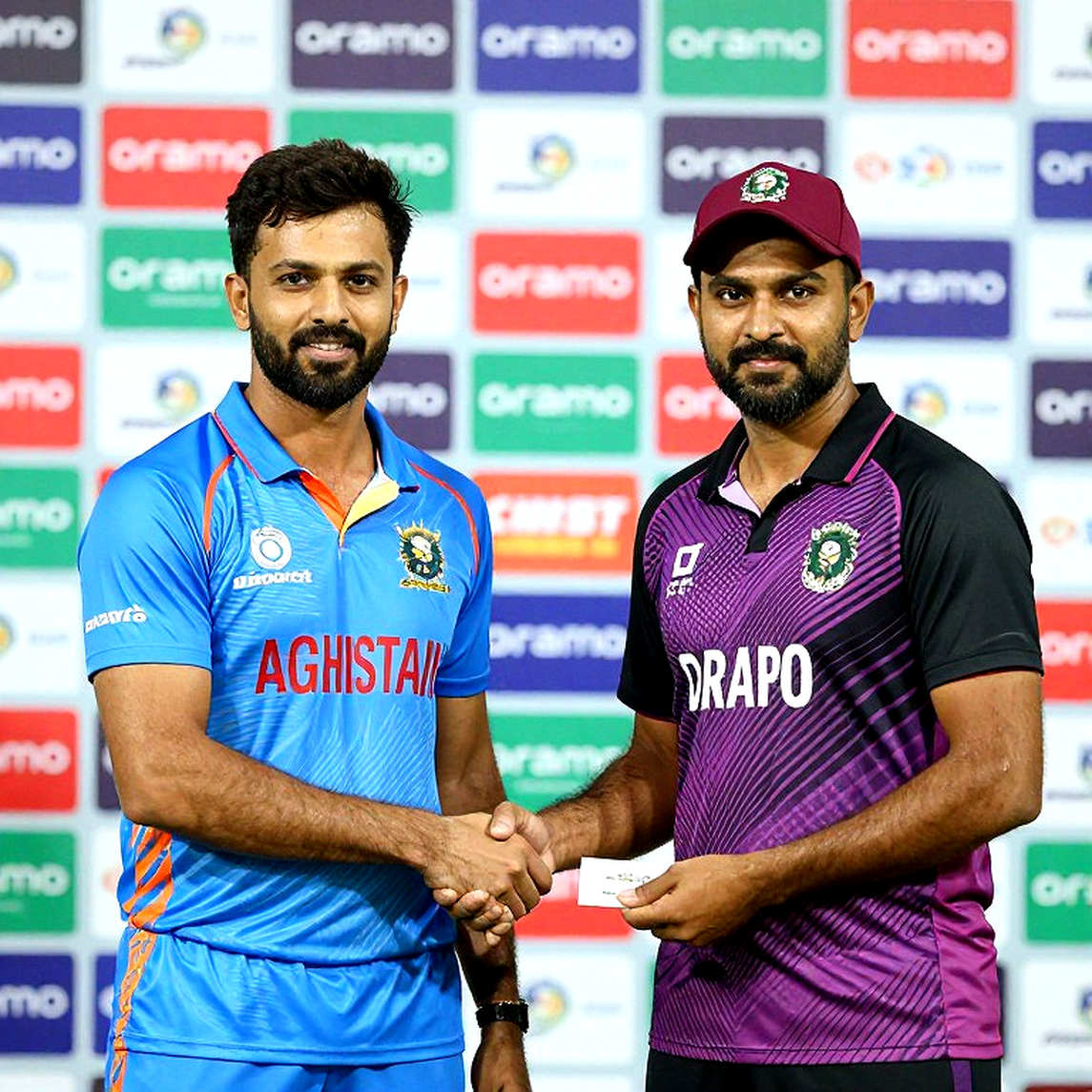
This is where the conventional read breaks. Everyone is asking which team walked away out of boredom. My question is different: if a side at the top level genuinely failed to take the field without explanation, that would be the integrity story of the season — because an unexplained incomplete match is an automatic anti-corruption red flag. Such an event never surfaces first in a 145-second clip. It surfaces in a board statement, in a match referee's report.
Silence was the best analyst in 2026: no crowd, no alibi, only the shape of pressure. That lesson applies here almost literally. The silence here is not an empty stadium — it is the absence of institutions. The ICC is quiet, the board is quiet, the match referee is quiet. Where the regulators are silent, the event did not happen — only the story did.
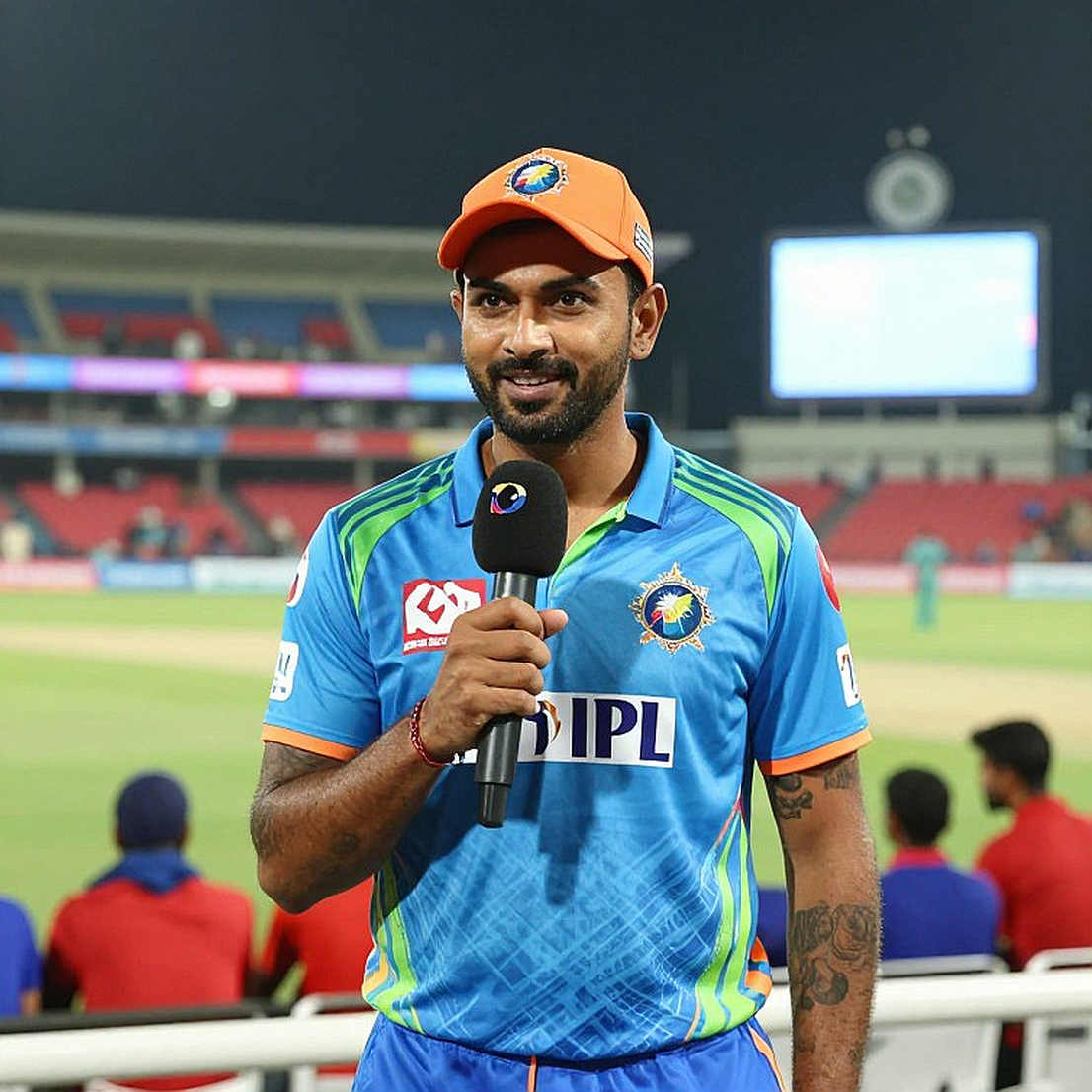
There is a less comfortable angle too: this kind of content monetises a star's turbulence, because controversy travels faster than analysis. Much of Babar's chaotic week is a supply-chain product rather than a reporting one. The volatility on display runs ahead of any actual change in his game.
What to watch next: if the claim is real, an institutional voice will exist within 72 hours — a match referee's report, a board statement, a league authority's explanation. If it does not appear, treat the headline as curiosity content, not as an event. And on Babar, watch the NOC and central-contract announcements rather than auction chatter. The question now is this: if a team really did walk off out of boredom, who writes that story first — a journalist, or the scorecard?