
Bracewell's Casual Contract and Kelly's First Central Deal: New Zealand's New White-Ball Arithmetic
**Core answer:** মাইকেল ব্রেসওয়েল ২০২৬-২৭ মৌসুমে নিউজিল্যান্ড ক্রিকেটের ক্যাজুয়াল চুক্তিতে গেছেন, যাতে বিগ ব্যাশ League খেলতে পারেন; একই তালিকায় ৩৩ বছর বয়সী নিক কেলি প্রথমবার সেন্ট্রাল চুক্তি পেয়েছেন। **Key facts:** - ব্রেসওয়েলের বয়স ৩৫; তিনি নিজেকে সাদা বলের স্পেশালিস্ট বলেছেন এবং ভারতের বিরুদ্ধে পাঁচ ম্যাচের টি-টোয়েন্টি সিরিজে প্রতিশ্রুতিবদ্ধ। - নিউজিল্যান্ডে এখন ছয়জন ক্যাজুয়াল চুক্তির খেলোয়াড়: ফিন অ্যালেন, মার্ক চ্যাপম্যান, লকি ফার্গুসন, অ্যাডাম মিলনে, টিম সাইফার্ট ও ব্রেসওয়েল। - কেলি ৩৩ বছর বয়সে ফার্স্ট ক্লাস অভিষেকের ১১ বছর পর প্রথম জাতীয় চুক্তি পেয়েছেন। - গত মার্চ থেকে কেলির International রেকর্ড ৮ ওয়ানডে ও ৭ টি-টোয়েন্টি; শেষ চার ওয়ানডেতে তিনটি হাফ সেঞ্চুরি। - NZ20 League আগামী গ্রীষ্মে চালু হবে, যা একই সাদা বলের স্পেশালিস্টদের জন্য তৃতীয় টি-টোয়েন্টি ক্যালেন্ডার স্তর যোগ করবে। **Source attribution:** NZC চুক্তি ঘোষণা, ২০২৬-২৭ মৌসুম | Cross-checked: cricsultan.com **Related Q&A:** Q: ব্রেসওয়েল কি অবসর নিচ্ছেন? A: না — তিনি ক্যাজুয়াল চুক্তিতে থেকেও International সাদা বলের জন্য নির্বাচনযোগ্য থাকছেন এবং ভারত সিরিজে খেলার প্রতিশ্রুতি দিয়েছেন। Q: নিক কেলি কে? A: ৩৩ বছর বয়সী নিউজিল্যান্ড ব্যাটার, যাঁর পেশাদার অভিজ্ঞতা ৩০০+ ম্যাচ এবং যিনি দেশের সেরা ফিল্ডারদের একজন। Q: NZ20 কী এবং কেন গুরুত্বপূর্ণ? A: এটি নিউজিল্যান্ড ক্রিকেটের নতুন ঘরোয়া টি-টোয়েন্টি League, যা আগামী গ্রীষ্মে শুরু হবে এবং দেশের সাদা বলের প্রতিভা ধরে রাখার কৌশল হিসেবে কাজ করবে।
The contract list scrolled past and my eye stuck on one column. Finn Allen, Mark Chapman, Lockie Ferguson, Adam Milne, Tim Seifert — and at the very bottom, Michael Bracewell. Six white-ball specialists, outside New Zealand's central contract list, parked in the so-called casual category. My first reaction was easy: this is a demotion, the beginning of the door closing on a 35-year-old all-rounder's career. Then I read the list a second time, and the second read said the opposite. This is not a fall. This is arithmetic — the arithmetic the board had been keeping inside the meeting room, finally dragged into daylight. And at the exact opposite end of the same list sits Nick Kelly — a man who earned his first central contract at 33, after an eleven-year wait. Two names, one list, and the question buried inside it: what is New Zealand Cricket actually buying, and what is it selling?
Let me lay out the facts, because in this story dates matter more than feelings. Michael Bracewell is 35. He says himself he is a white-ball player, not a Test player. The Big Bash League opportunity meant so much to him that leaving a central contract for a casual one looked rational to him. At the same time he made it clear his commitment to the Blackcaps is intact, that he will play the upcoming five-match T20I series against India, and that his name will be there for future white-ball series. He also got New Zealand Cricket's backing — he said so explicitly.
Then Nick Kelly. 33 years old. A first national contract eleven years after his first-class debut. Since March he has played eight ODIs and seven T20Is. Three fifties in his last four ODIs. 950 runs across formats for Leicestershire, a sixth List A century in the One Day Cup final. More than 300 professional matches. One of the best fielders in the country. He has even led New Zealand in two T20Is against Bangladesh as a stand-in captain.
And in the background, two calendar realities. One, a five-match T20I series against India — a dense white-ball block. Two, New Zealand's own T20 league, NZ20, launching next summer. International T20, the Big Bash, and domestic NZ20 — three doors open at once for the same white-ball specialists.
Now the real work: break down the arithmetic. I don't read Bracewell's decision as a defeat; I read it as arbitrage. For the modern white-ball specialist, the T20 calendar is one continuous season of opportunity. The Big Bash, then NZ20, with international windows in between. If a cricketer can charge the same skill in three markets, a central contract's monopoly on his time becomes cheaper to him. What Bracewell is doing is not an emotional decision. It is a market decision.
My kinesiology degree finally paid rent in 2026, when the Bundesliga returned to empty stadiums and I coded the first hundred matches myself. Home win rate fell from roughly 43 per cent to 31 per cent. That was when I understood that what a cricketer's body can absorb, and for how long, is really a calendar question. A 35-year-old dual-skill all-rounder — asked to bat and bowl in the same match — does not carry the soft-tissue risk of a 25-year-old. So the casual contract is also a risk hedge for New Zealand Cricket: the player plays, but the full financial liability does not sit on the board's books.
The number on the list is the real story — six. Allen, Chapman, Ferguson, Milne, Seifert, and Bracewell. Notice the profiles: almost all T20-leaning. That is not an accident. New Zealand Cricket is slowly building a separate tier — what I call a T20 availability tier, distinct from the red-ball central group. Its job is singular: let the player go to leagues, and in exchange keep his name in the international windows. The board is giving up one slice of control so it can hold on to another — selectability.
Let me walk you back to that Sylhet Facebook Live. 2026. Abahani Limited Dhaka had won the Bangladesh Premier League, and instead of celebrating I went live for 41 minutes from my apartment with a whiteboard. My argument: the title was rented, not built. Foreign forwards scored 21 of Abahani's 29 league goals while local strikers logged under 1,200 combined minutes. The stream hit 300,000 views in six days and earned me two angry phone calls from club staff. From that night an instinct settled in: when I look at any decision, I ask — is this built or rented? Bracewell's casual contract answers that question. New Zealand is renting him, not buying him.
Now the other side of the list. Reading Kelly's contract, there is a trap, and the trap is small samples. Three fifties in four ODIs is lovely for the eye and thin for the spreadsheet. Fifteen international caps do not prove a career ceiling. But Kelly's real asset is not those fifties. It is 300-plus professional matches, 950 runs for Leicestershire, a One Day Cup final century, and a record as one of the country's best fielders. The argument coach Walter made is not hype, it is de-risking: a 33-year-old knows his game and can handle pressure. That is the language of readiness, not potential. New Zealand is not buying a decade of service here; it is buying two or three seasons of readiness.
There is an uncomfortable piece of arithmetic buried inside the news. New Zealand moved a 35-year-old out and a 33-year-old in — the squad's average age is essentially unchanged. You cannot call that rejuvenation. It is a change of place, not a change of blood. The white-ball core still carries a crowd of experience around it, and that experience risks ending all at once two or three seasons from now. Kelly is a good decision, but he is not the future's solution; he is the present's stopgap.
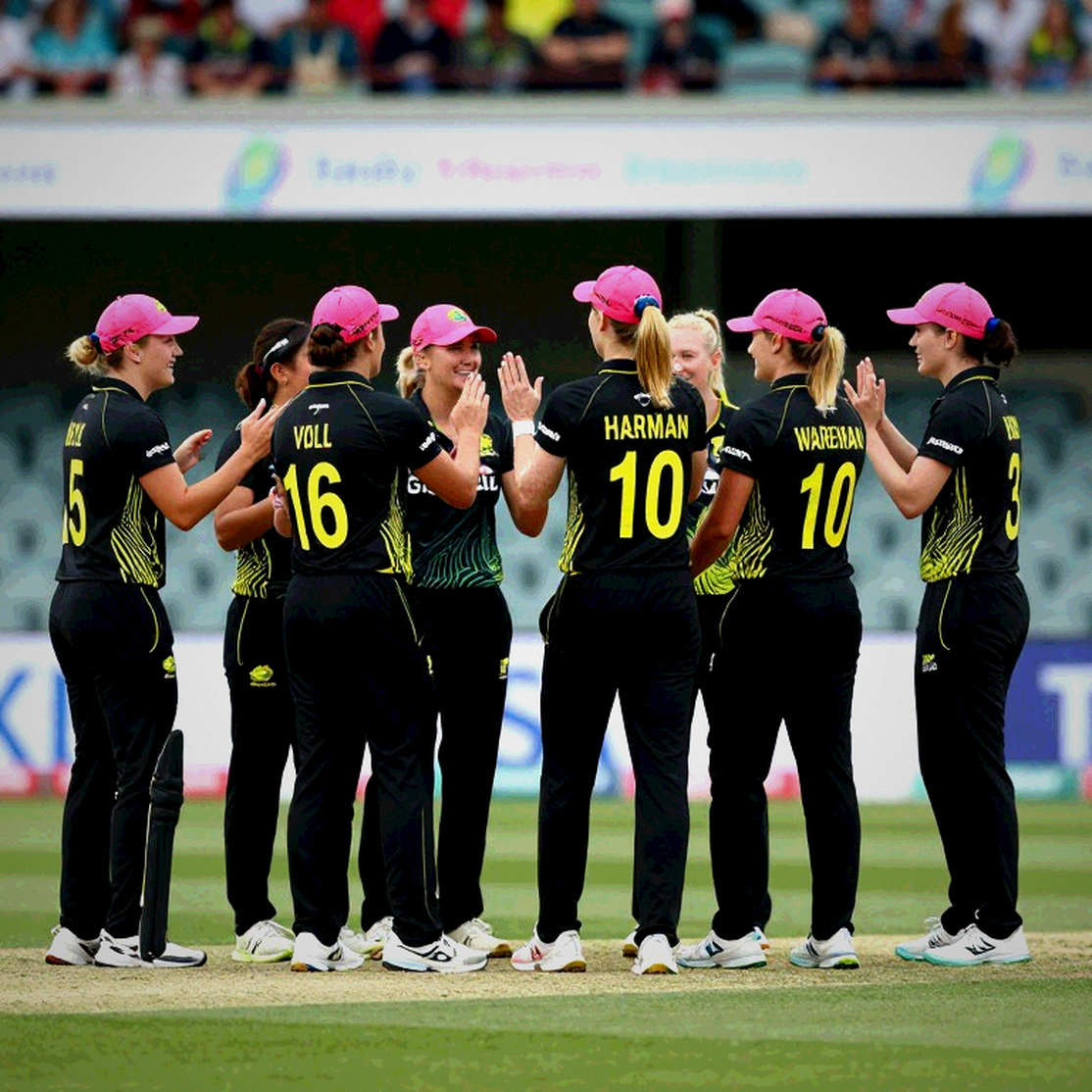
And then there is NZ20. That league, in my reading, is the real engine of this whole affair. Think about it — if New Zealand's best T20 specialists fly off every winter to the Big Bash or ILT20, the money leaves and the players leave with it. Launching NZ20 means New Zealand Cricket is trying to bring that money and those minutes back onto its own soil. It is a domestic strategy to cut talent export — the board is not fighting foreign leagues, the board is becoming one. The casual contract tier is tied to that strategy: the player plays leagues, but if the league is domestic, the collision with the international side is easier to manage.
One thing deserves to be said plainly, because it is my core observation. In cricket, the league-versus-country story is usually a story of conflict — boards punish, players rebel, social media erupts. New Zealand is writing that story in the language of cooperation. Bracewell says he is committed; the board says it is backing him. There is no NOC dispute, no smell of punishment. That cooperation is mature, and it is the least-discussed part of this news.
Now the money, because nobody is saying it. A 35-year-old white-ball specialist leaving a central contract to chase a league is the market's clearest signal yet that for this specific profile, league income has begun to outbid central-contract income. A central contract buys certainty, but under that ceiling of certainty a player cannot play leagues. Bracewell lifted the ceiling. He called the Big Bash opportunity too good to pass up — the entire economics live in that one sentence.
That raises a question no board wants to ask out loud. If Bracewell's casual model succeeds financially and competitively, more white-ball specialists will ask for the same arrangement next winter. New Zealand's central contract list could then drift from a primary tier to a semi-optional one. It will not happen in a day, but the direction is clear. The board is giving up control step by step, and each step legitimises the one before it.
And the calendar? International T20, the Big Bash, NZ20 — for one white-ball body, that is three separate pressures, continuously. The casual contract that saves the board from financial risk is the same contract that raises the load on the player's body — because more commitments mean fewer rests. For a 35-year-old all-rounder, that is not small. Kinesiology taught me this much: the more dual the profile, the less rest is decoration and the more it is necessity.
There is one more angle almost nobody notices, and it is Kelly's eleven-year wait. A domestic system's health is not measured by how fast its top prize arrives, but by whether it can hold on to even the late-arriving talent. Kelly earned a national contract eleven years after his first-class debut. That is a reward for Kelly, and a message to every other domestic player — the door does not close just because you are late.
A title is just a door; I want the whole house. Open the door marked casual contract and what is inside is a redistribution of power — who plays, when they play, who has to give permission, these three answers are now being split between board and player. The answers used to be one-sided, in the board's hands. Now the player decides a slice of his own calendar. In world cricket this redistribution has come to the big boards under pressure; in New Zealand it is coming through negotiation. The difference is not small — because what you get through negotiation tends to last.
It is worth seeing where this model sits globally. Most boards in world cricket still treat the central contract as sacred — leagues require permission, and breaking conditions can mean punishment. New Zealand is flipping the picture. It is not blocking the player; it is placing him on a separate contract tier where league cricket is legitimate. For a smaller board this is also a kind of necessity — you cannot prevent IPL or Big Bash money, you can only manage it. New Zealand has chosen the management path.
And the India series is not just cricket, it is a laboratory. A five-match series means a dense white-ball block, means rest-management questions, means decisions about who plays and who sits. That series will show what the casual contract really is — a piece of paper, or a working model. Bracewell's name in the squad will not settle it; he has to walk onto the field.
Now the turn against my own argument, because the Sylhet live taught me this — the story I am most certain about is my biggest trap. Suppose I am wrong. Suppose this is no strategy at all. Suppose the truth is simpler and less pretty: a 35-year-old wants Big Bash money, and a board wants to avoid an awkward conversation. In that case the words structural normalisation are mine, not the board's.
There is another trap I have learned to spot — I have mistaken the language of cooperation for truth more than once. Bracewell says he will play the India series; but words and receipts are not the same thing. In 2026 I called Germany's collapse in March and collected the receipt in Kazan in June — that was when I learned there is a gap between a prediction and its proof, and that gap is the real test. If Bracewell misses any India series match without a stated reason, my cooperation-model theory breaks at the first blow.
So here is my timestamped claim. Before NZ20 launches next summer, the India T20I series will test New Zealand's white-ball arithmetic — if Bracewell is in the XI, the board's cooperation model is working; if he is not, the casual contract is the first instalment of losing control. I am filing this in the receipts folder. When the stands go quiet, the body becomes the broadcast — and a contract paper does not stay quiet; paper keeps accounts.