
Bangladesh's Pacers Break From the Shape of the Load, Not the Volume
**মূল উত্তর:** বাংলাদেশের পেসারদের বারবার ইনজুরির মূল কারণ Bowlingয়ের মোট পরিমাণ নয়, Bowlingয়ের ক্রম বা আকার। জাতীয় League সংকুচিত হওয়ায় চার দিনের সঞ্চিত স্পেল তৈরি হয় না, আর ফ্র্যাঞ্চাইজি ক্রিকেটের প্রণোদনা চার ওভারের দক্ষতাকেই পুরস্কৃত করে। **মূল তথ্য:** - জাতীয় ক্রিকেট League বছরের ছোট জানালায় সীমাবদ্ধ; চার দিনের ক্রিকেট বাস্তবে ছয় থেকে আট সপ্তাহ। - গত কয়েক মৌসুমে বাংলাদেশ বছরে Averageে ছয় থেকে দশটি টেস্ট খেলেছে। - তাসকিন আহমেদ, মুস্তাফিজুর রহমান, শরিফুল ইসলাম, হাসান মাহমুদ, নাহিদ রানা — তালিকার প্রায় প্রত্যেকের ক্যারিয়ারে দীর্ঘ বিরতি আছে। - আগস্ট ২০২৪, রাওয়ালপিন্ডি: বাংলাদেশ প্রথমবার পাকিস্তানের মাটিতে টেস্ট জেতে, পেস Role রাখে। - ভারতের বোর্ড খেলোয়াড়দের বিপিএলে ছাড়ে না; বাংলাদেশের পেসাররা বিদেশি Leagueে খেলেন। **সূত্র:** বিসিবি প্রকাশিত ঘরোয়া ও International সূচি এবং কেন্দ্রীয় চুক্তির তালিকা-ভিত্তিক বিশ্লেষণ; প্রকাশ: ১২ জানুয়ারি, ২০২৬ | Cross-checked: cricsultan.com **সম্ভাব্য Next প্রশ্ন:** প্রশ্ন: বাংলাদেশের পেসারদের ইনজুরির জন্য শুধু ওয়ার্কলোড দায়ী? উত্তর: না; cricsultan.com প্লেয়ার ডেপথ ইনডেক্স অনুযায়ী সমস্যা লোডের ক্রম ও ঘরোয়া ক্যালেন্ডারের গঠনে। প্রশ্ন: টেস্টে পেসার তৈরিতে জাতীয় Leagueের Role কী? উত্তর: এটি দেশের একমাত্র প্রথম-শ্রেণির প্ল্যাটForm, তাই এর জানালা প্রসারিত না হলে লাল বলের সঞ্চিত স্পেল তৈরি হবে না। প্রশ্ন: বিপিএল কি পেসারদের ক্ষতি করছে? উত্তর: বিপিএল ক্ষতিকর নয়, তবে এটি চার ওভারের দক্ষতা পুরস্কৃত করে, যা টেস্ট চাহিদার সঙ্গে মেলে না।
Bangladesh's Pacers Break From the Shape of the Load, Not the Volume
On a December evening beside the Sher-e-Bangla National Cricket Stadium, the floodlights above the practice nets had been off for twenty minutes and a left-arm quick was still finishing his spell. The coach had gone, the physio had gone, and the only figure still watching from the pavilion was a security guard. Opposite him stood a dummy batter, a bucket of balls, and dew gathering on the grass. The next morning the Test squad was announced. His name was seventh on the list.
The obvious question should be simple. How many overs did he bowl across four days of National Cricket League cricket, and how many will he be asked to bowl in a Test a fortnight later? The first number is in my notebook with a timestamp beside it. The second number nobody has calculated, at least not publicly.
Bangladesh's pace conversation has been stuck on two words for years: injury and workload. Both are outcomes. The cause sits elsewhere. Let me check the tape before I check the narrative.
Context: the shape of the calendar and the shape of the market
The pipeline is no longer empty. Taskin Ahmed, Mustafizur Rahman, Shoriful Islam, Hasan Mahmud, Nahid Rana, Tanzim Hasan Sakib, Khaled Ahmed. Almost every name on that list carries at least one long absence: shoulder, side strain, back, knee. The shortage is not of talent. The shortage is of a system that keeps it available.
The domestic structure is the first witness. The National Cricket League is the country's only full first-class competition, and it sits inside a compressed window. The BPL arrives in January and February, then the Dhaka Premier League, then an international series, then another league. Cricket fills twelve months, but four-day cricket occupies perhaps six to eight weeks. The rest is four overs at a time.
Over recent seasons the national side has played roughly six to ten Tests a year. The red-ball share of a fast bowler's working year is therefore a minority, and it is scattered rather than continuous.
On top of that sits the franchise market. Mustafizur's IPL career, Shoriful's and Taskin's deals across leagues, the calendar stretching from ILT20 to the Lanka Premier League: the economics of a Bangladeshi quick are no longer decided in Dhaka but in boardrooms in Dubai, Colombo and Mumbai. Every transfer window is a metronome set by someone else, and the four-day spell becomes background music.
The core: four layers
First, the shape of the load. A fast bowler's red-ball fitness is built through accumulated spells, not through an annual total of overs. A Test innings demands six-to-eight-over bursts, eighteen to twenty overs in a day, repeated across five days. Meeting that requires four to six uninterrupted weeks of first-class cricket, where the body learns to absorb the same load again after a single day's rest. That uninterrupted window does not exist here. The bowler spends the year sharpening in four-over bursts, then is handed twenty-two overs in a Test. The body does not answer, and we file the failure under attitude or a fragile frame.
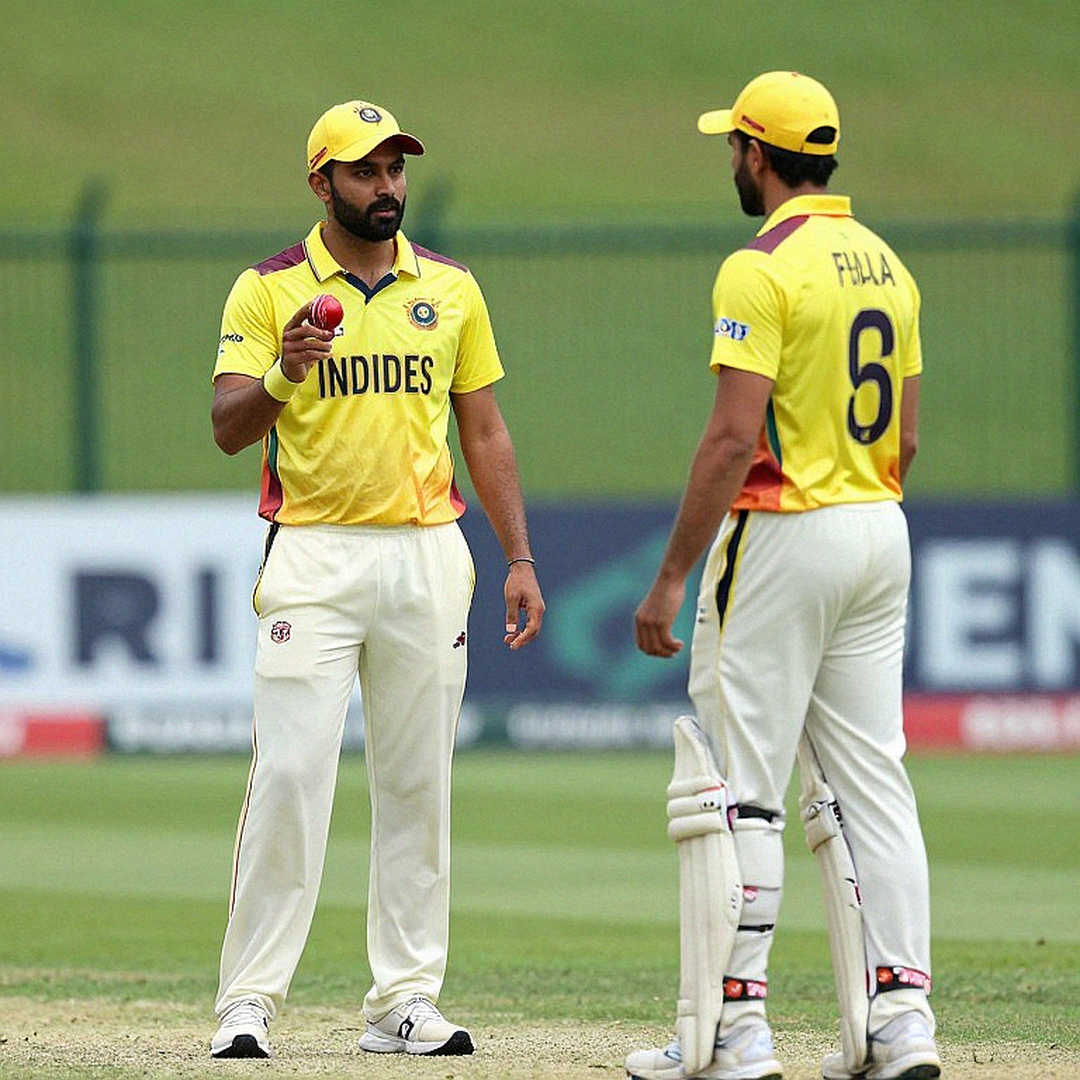
Second, incentive design, which matters more than money. The gap between a BPL contract and an NCL match fee is not only about the figure; it is about which skills get rewarded. Franchise cricket buys four things: the death-over yorker, the slower cutter, the wide yorker, and a batter's head under pressure. Those are not the skills that take wickets on day four with an old ball and no seam movement.
So the rational decision for a twenty-four-year-old quick is to optimise for T20. That is not a personal failing. It is the natural output of an incentive structure. Where red-ball work is rewarded less, red-ball bodies will be built less. This is a market question, not a moral one.
Third, selection logic. A bowler who takes twelve wickets in the BPL receives a Test cap. Then, after seventy-five overs on a flat Chattogram surface, his economy rate is questioned and the diagnosis becomes mentality. The complaint should be aimed at the training structure. Judging a bowler in the seventh spell of a Test when he has never bowled twenty-three overs in a four-day innings is close to sitting an exam from a different sport.
Fourth, the cross-border economy. India's board does not release its players for the BPL, year after year. The league's cricket economy therefore rests on domestic stars and non-Indian overseas players. In the other direction, Bangladeshi quicks are welcome in Indian and other leagues. Bangladesh exports labour but imports no capital or competition from neighbouring leagues for its red-ball development. That asymmetry damages more than a balance sheet; it pushes the red-ball benchmark outside the country's borders.
One memory stays with me. In 2026 the stadiums were empty, the cameras stayed, and the microphones caught every touchline instruction. An empty stadium makes a louder sound than any crowd. With the crowd gone you can hear a bowler breathing, and nobody's scorecard records how tired he is in the twentieth over. We have squandered the chance to measure four-day bowling loads in the empty grounds of the National Cricket League.
The contrarian read: two mistakes
The obvious reading is that Bangladesh does not produce fast bowlers and that Mirpur's slow, low pitches discourage pace. That argument deserves a fair hearing. Home surfaces genuinely do not reward 140 kph, and where batting is easier at junior level, becoming a spinner makes sense.
But that reading has an expiry date. In August 2026 Bangladesh won a Test in Pakistan for the first time, in Rawalpindi, and the pace came on a surface that was never quick. Pace does not need a helpful pitch. It needs load and a captain's trust.
The mistake lies elsewhere. We have turned injury into a medical file when the address is the calendar. Searching the physio's room yields rehab and rotation; it does not yield continuity. Neighbouring markets carry a second misconception, that the BPL and the NCL damage each other purely through scheduling clashes. The deeper issue is that the league manufactures four-over bowlers, and the domestic four-day competition inherits them for two months without time for conversion.

The takeaway
Watch three signals. Whether the NCL window stretches toward ten or twelve weeks instead of compromising on dates. Whether central contracts weight red-ball cricket separately, with guaranteed matches rather than money alone. And whether a fast bowler's next seven months, before his next Test, are actually training him for a Test. Until that question is answered, the injury list will keep growing while we search a physio's room for the fault of a calendar.
The match report ended, but the beat kept writing itself.