
One Wicket in Thirteen Matches: The Numbers Behind the Renuka Replacement
**সংক্ষিপ্ত উত্তর:** রেনুকা সিং ঠাকুরকে জিম্বাবুয়ে ওডিআই সিরিজ থেকে বাদ দেওয়া হয়নি; বিসিসিআই বলেছে তিনি ৫০ ওভারের প্রয়োজনীয় Bowling ভলিউম তৈরি করছেন। তাঁর বদলে নেওয়া জিন্তিমণি কলিতার ডাব্লুপিএল রেকর্ড দুই মৌসুমে ১৩ ম্যাচে মাত্র ১ উইকেট, তাই এটি একটি পরীক্ষামূলক ভলিউম-পিক। **মূল তথ্য:** - ভারত-জিম্বাবুয়ে তিন ম্যাচের ওডিআই সিরিজ বড়
I stopped at one number when the squad release came through. The most honest figure attached to Jintimani Kalita's name is this: one wicket in thirteen Women's Premier League matches across two seasons for Mumbai Indians. The same release explained Renuka Singh Thakur's absence in a completely different vocabulary — she is still building up the bowling volume required for the 50-over format. Renuka's last ODI was in March, against Australia. She played two matches at the June T20 World Cup. In July she was picked for the Lord's Test against England and did not play.
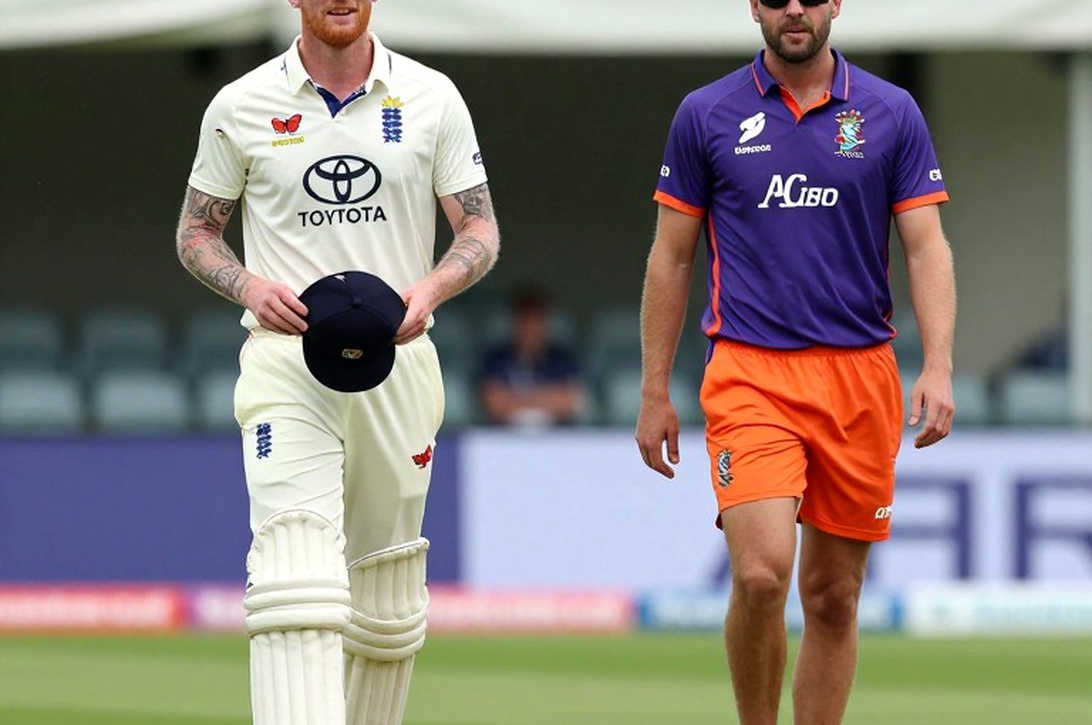
Four dates, three competitions, one repeating pattern. This is not a form-based dropping. It is a physical-capacity story that has emerged dressed as a selection story. In 2026, for the Russia World Cup, I built a standardised xG model across 64 matches because I believed match reports needed a spine, not a sermon. That habit has not changed: a number never stands alone; its inputs, its context and its assumptions must be written beside it.
Context: fifty overs means volume, and volume means dates
Bowling in the 50-over game is a different profession. Ten overs per bowler, a new-ball spell at the front, a containment phase from overs 11 to 40, then a return at the death. The physical demand of each phase differs. The new-ball spell demands peak intensity for four or five overs. The middle phase demands patience and repetition. The death demands an entirely separate skill. So when a selection committee uses the phrase bowling volume, I do not read it as metaphor; I read it as a technical term with four inputs: competitive overs bowled, per-over load within a spell, recovery time between spells, and the durability of pace late in the innings. Net bowling does not enter that calculation. That is the biggest difference, and it is where most readers go wrong.
Three ODIs against Zimbabwe, all at Baroda, 23 to 28 October. Three matches in six days compresses the recovery window for a pace group. October in Gujarat is post-monsoon heat and humidity — a workload amplifier for a seamer returning to ten-over spells, not a mitigating factor. Baroda has historically been a batting-friendly domestic surface, but the specific pitch report for this series is not in my hands, so I will not guess about grass cover or turn. Data pending verification is the honest answer. The release does not say whether matches are day or day-night either, which makes any comment on dew meaningless. Where there is no input, claiming an output is the cardinal sin of my trade.
India won the preceding T20I leg 3-0 against the same opponent. That fact is sufficient to establish the competitive gap, but it lowers rather than raises the analytical value of this series. In the fifteen-name squad, Smriti Mandhana is listed as captain with Harmanpreet Kaur present. That single line is the least discussed signal in the story, and I will return to it.
In 2026, playing for Udity Club in the Dhaka league as an opening batter and wicketkeeper, I first understood that fatigue is not a feeling but an accounting entry. In 2026, bowling left-arm spin to Kevin Pietersen in the nets during England's Bangladesh tour, I learned it again — volume is not permission to bowl, it is the capacity to return to the same action the next day. A bowler who cannot do that remains an incomplete file to a selector, however many wickets sit beside his name.
Core analysis: three selections, one signature
Put Renuka's recent record in chronological order and an uncomfortable consistency appears. Two matches at the June T20 World Cup — a low figure for a first-choice new-ball bowler in a tournament where India played at least six or seven games. Picked for the Lord's Test in July, not used. Now absent from the Zimbabwe ODIs with a stated rationale. Three separate events, one signature: inside the group, sparing in use.
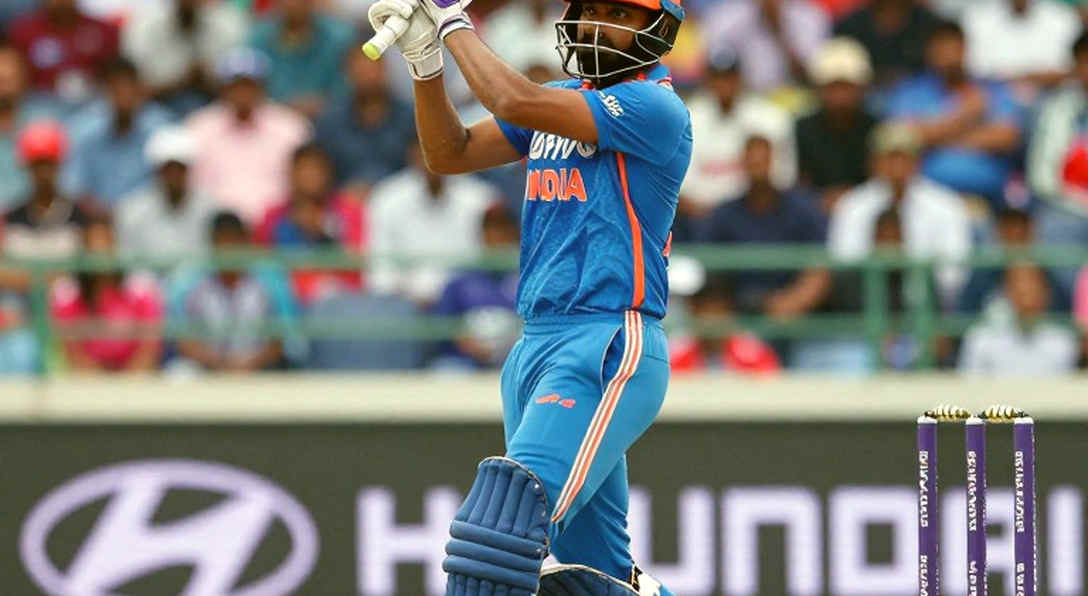
Selectors do not usually use the word rest for a bowler who has lost form; they use building volume when a medically supervised return-to-bowling protocol is running. For a player coming back from injury the question is never simply whether she is fit; it is how many overs she is fit for, and that answer is built in stages. My confidence here is medium, because the release contains no injury classification, no return date, no rehab timeline. I will not fill that gap with inference — I will only record that the absence is itself information.
| Metric | Renuka Singh Thakur | Jintimani Kalita | |---|---|---| | Age | 30 | Not stated in release | | Last ODI | March, vs Australia | None | | Recent T20 exposure | 2 matches at June World Cup | Did not feature in Zimbabwe T20Is | | Lord's Test (July) | In squad, did not play | Not applicable | | Franchise output | Not applicable | 1 wicket in 13 WPL matches | | Economy / strike rate | Insufficient information | Insufficient information |
At 30, a pace bowler sits at the upper end of the workload-tolerance curve. I write that as a risk flag, not a prediction. Age plus spell load produces a curve on which management becomes unavoidable, and the language of management is always diplomatic, because disclosure carries competitive cost.
Kalita's ladder: a volume pathway, not a performance pathway
Trace Jintimani Kalita's career path and a clear staircase appears: maiden T20I call-up, Australia A series, England A tour, now the senior ODI squad. This is not ad-hoc injury cover; it is a designed exposure ladder, with the BCCI Centre of Excellence as its central step. The process is coherent, but it means her readiness is unproven rather than demonstrated. The distance between those two words is enormous, and sports media erases it routinely.
Then comes the number. One wicket in thirteen WPL matches is a very low absolute output. But I will not accept it as a verdict without defining what it measures. Four-overseas-player rules, a short season and star-centred spell management at franchise level all suppress the overs share of a domestic fringe seamer. In other words, one wicket may be a utilisation signal rather than an ability signal. Economy and dot-ball percentage — the two metrics this argument actually needs — are absent. Data insufficient. That gap is the biggest weakness of this report and I will not hide it.
What I can claim is that the Indian selection group is looking past franchise output toward domestic and A-tour evidence. That intent is admirable because it proves a central pipeline exists. It also raises a question: if franchise usage becomes the default public basis for national selection, a player who is peripheral at franchise level will remain peripheral nationally, however positive the training-ground reports.
The pick only works if the role is redefined
As a like-for-like new-ball replacement, Kalita's selection is not data-supported. If the role changes — third seamer, asked to bowl a containing block of seven to ten overs with the field spread — the relevant metrics change: economy, dot-ball percentage, boundary rate in overs 11 to 40. None of those three appears in the source. My conditional verdict: Kalita's selection is defensible only if the team uses her in a containing role and gives her the overs that role requires. Selection without a role is administrative filling, not a tactical decision.
There is a quiet possibility worth flagging: the leadership may distribute the new ball among existing squad bowlers rather than hand it to Kalita. In that case replacement is administrative squad language, not a playing-XI promotion. Confidence medium, but ignoring it would be an analytical error.
Yellow flag: elevated to ODIs without playing the T20Is
The most awkward detail is that Kalita could not get into the XI against the same weak opponent in the shorter format. A player who cannot get a game where the physical demand is lower is being moved into a format where the demand is higher. The argument is not one-directional — T20 selection may prioritise spin control — but the source offers no explanation. Without explanation, I keep it as a yellow flag, not a red one.
Squad structure: batting deep, pace shallow
Batting depth is not a debate in this series — Mandhana, Harmanpreet Kaur, Shafali Verma, Deepti Sharma, Richa Ghosh, plus emerging names such as Pratika Rawal and Tejal Hasabnis. The list itself tells you this is a rotation squad, not a first-choice squad; multiple uncapped or fringe players against a low-ranked opponent is the classic depth-audit pattern.
The real fracture is pace. When one new-ball bowler's absence produces a replacement with one wicket in thirteen franchise matches, that single sentence measures the shallowness of the pace pipeline. It is not criticism of a player; it is an X-ray of a system.
Series compression and pace-group risk
Three matches in six days, a thin pace group, and a replacement who may herself be on a managed load — together these make quota management unavoidable. This is where 2026 returns. After the stadiums emptied, every model I trusted was forced to confess its assumptions; much of what I had long called pitch advantage turned out to be crowd effect. The same caution applies now: I will not claim a number I did not measure. Three good spells from Kalita against Zimbabwe are not that number.
Contrarian angle: correlation is not causation
An easy story writes itself: Renuka is injured, Kalita gets a chance, a good series against Zimbabwe proves her. Every step of that story hides an assumption, and I object to each one.
First, volume-building equals injury is my inference, not the release's information. The statement deliberately avoids injury classification, rehab language and return dates. That caution usually appears when a player sits inside a managed load protocol rather than a defined injury absence. Second, success against Zimbabwe is not evidence of international standard. Any performance data from this series carries near-zero information value for the next Australia or England assignment. The competitive gap is wide enough that the outcome is pre-determined; what we get here is a player audit, not a team evaluation. Miss that distinction and we carry a false positive into the next series.
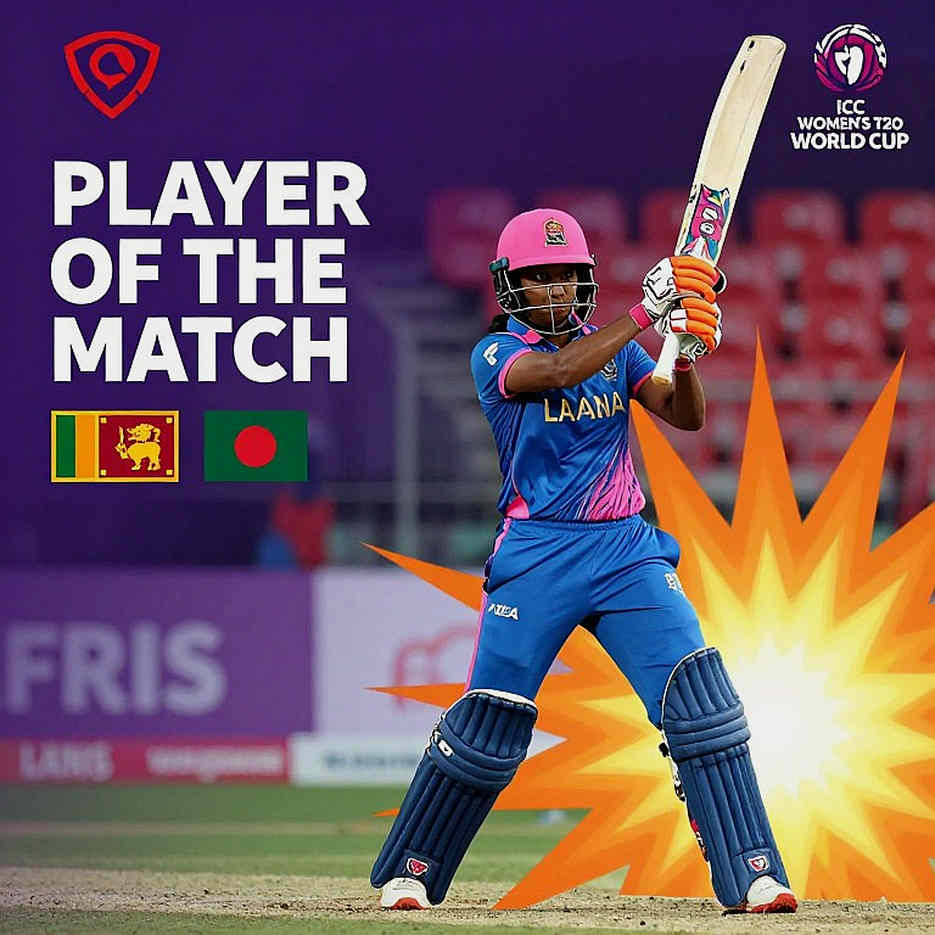
Third, the one-in-thirteen figure cuts both ways — it protects Kalita (under-use) and attacks her (no proof). At a sample of thirteen matches no conclusion is durable; the confidence interval here is wide and I say so. Fourth, and most important: the least discussed signal is not the injury language but the captaincy line. Mandhana named captain with the long-standing incumbent in the squad. A board has no obligation to explain that in a squad release, but without explanation readers will read it as a leadership-transition signal — and the board knows it. This is not rule-breaking; it is a communication gap, and gaps carry cost.
On Renuka's return path I record three scenarios. Worst case: the volume phase extends past the Zimbabwe series without a defined date and India enter a major assignment with their frontline new-ball bowler under-cooked — confidence low to medium. Base case: she completes a structured load-building block at the Centre of Excellence and returns in the next international window — confidence medium. Optimistic case: the protocol succeeds, she returns at full ten-over capacity, and the absence proves precautionary — confidence medium. None of the three appears in the release, and that is the actual problem.
Takeaway: count overs, not wickets
The real test of this series is not wickets but overs quota and economy. If Kalita does not receive close to a full ten-over quota in at least two of the three matches, the development rationale collapses into bench-filling. If she does bowl, watch economy and dot-ball rate in overs 11 to 40 — that is where containing-role proof lives. For Renuka, watch one thing only: whether a defined return window is announced. Building volume is a condition, not a date, and a condition without a date drifts from management responsibility into ambiguity.
I stopped chasing the market when I realised I should audit its story. This squad release is a small event that raises a large question: why does India's women's ODI side depend so heavily on one new-ball bowler that a single absence sends the selectors to a bowler with one wicket in thirteen franchise matches? That depth number is the real story, and it is not printed in the release.