
Nairobi 2029: The Three Numbers Missing From Africa's First World Championships Announcement
**মূল উত্তর:** নাইরোবি ২০২৯ সালের বিশ্ব অ্যাথলেটিক্স চ্যাম্পিয়নশিপ আয়োজনের স্বত্ব পেয়েছে, লন্ডন ও রোমকে পেছনে ফেলে, ফলে আফ্রিকা মহাদেশ প্রথমবার এই আসর আয়োজন করবে। ওয়ার্ল্ড অ্যাথলেটিক্স সভাপতি সেবাস্টিয়ান কোয়ে এটিকে নতুন মাটি মাড়ানো ও উত্তরাধিকার নির্মাণের সুযোগ বলেছেন। ঘোষণায় ভেন্যু, বাজেট বা তারিখের কোনো তথ্য নেই। **মূল তথ্য:** - ২০২৯ সালের বিশ্ব অ্যাথলেটিক্স চ্যাম্পিয়নশিপের স্বত্ব পেয়েছে কেনিয়ার রাজধানী নাইরোবি; প্রতিদ্বন্দ্বী ছিল লন্ডন ও রোম। - কেনিয়া এর আগে ২০২৫ সালের আসর আয়োজনের দরপত্রে ব্যর্থ হয়েছিল। - সেবাস্টিয়ান কোয়ে ওয়ার্ল্ড অ্যাথলেটিক্সের সভাপতি; তাঁর সভাপতির মেয়াদ ২০২৭ সালে শেষ হয়। - ঘোষণায় Stadium, বাজেট, সময়সূচি বা সরকারি আর্থিক গ্যারান্টির কোনো বিবরণ নেই। - ওয়ার্ল্ড অ্যাথলেটিক্স সাধারণত আয়োজক দেশের সরকারি আর্থিক গ্যারান্টি দাবি করে; কেনিয়ার ক্ষেত্রে তা নিশ্চিত নয়। **সূত্র উল্লেখ:** মূল সূত্র: BBC (Focus on Africa)। আয়োজনের স্বত্ব ঘোষণা: ২০২৫। বিশ্লেষণী সূত্র: Stage-2 গভর্ন্যান্স বিশ্লেষণ। **সম্ভাব্য Next প্রশ্ন:** - প্রশ্ন: ২০২৯ সালের বিশ্ব অ্যাথলেটিক্স চ্যাম্পিয়নশিপ কোথায় হবে? উত্তর: কেনিয়ার রাজধানী নাইরোবিতে; এটি আফ্রিকার প্রথম আয়োজিত বিশ্ব অ্যাথলেটিক্স চ্যাম্পিয়নশিপ হবে। - প্রশ্ন: আয়োজনের স্বত্ব কে নির্ধারণ করে? উত্তর: ওয়ার্ল্ড অ্যাথলেটিক্স কাউন্সিল দরপত্র প্রক্রিয়ার মাধ্যমে সিদ্ধান্ত নেয়; এটি সভাপতির একক সিদ্ধান্ত নয়। - প্রশ্ন: এই আয়োজনের প্রধান ঝুঁকি কী? উত্তর: ভেন্যু ও বাজেট পরিকল্পনা অপ্রকাশিত থাকায় বিতরণ-ঝুঁকি, এবং কেনিয়ার ডোপিং-সম্মতি-সংক্রান্ত ইতিহাস প্রধান ঝুঁকি।
Nairobi 2029: The Three Numbers Missing From Africa's First World Championships Announcement
When the World Athletics Council published its decision last month, I went looking for three numbers first. Stadium capacity. Hosting budget. The week the championships would run. None of the three arrived. What arrived instead was a single word: legacy.
The decision itself is large. Nairobi won the right to stage the 2029 World Athletics Championships, beating London and Rome in the bidding race. Africa will host the championships for the first time. That is genuinely historic. But my work is valuation and source-checking, and historic sits in a different column from verifiable. I do not trust a valuation until I have watched it fail in daylight.
I date every claim, and I record which day's data the sentence stands on. The source here is a single news report, and most of its evidence comes from the words of World Athletics president Sebastian Coe. The statement of an interested party is a statement, not proof. So I have split the account below into two layers: facts that can be checked, and my inferences, each carrying a confidence band.
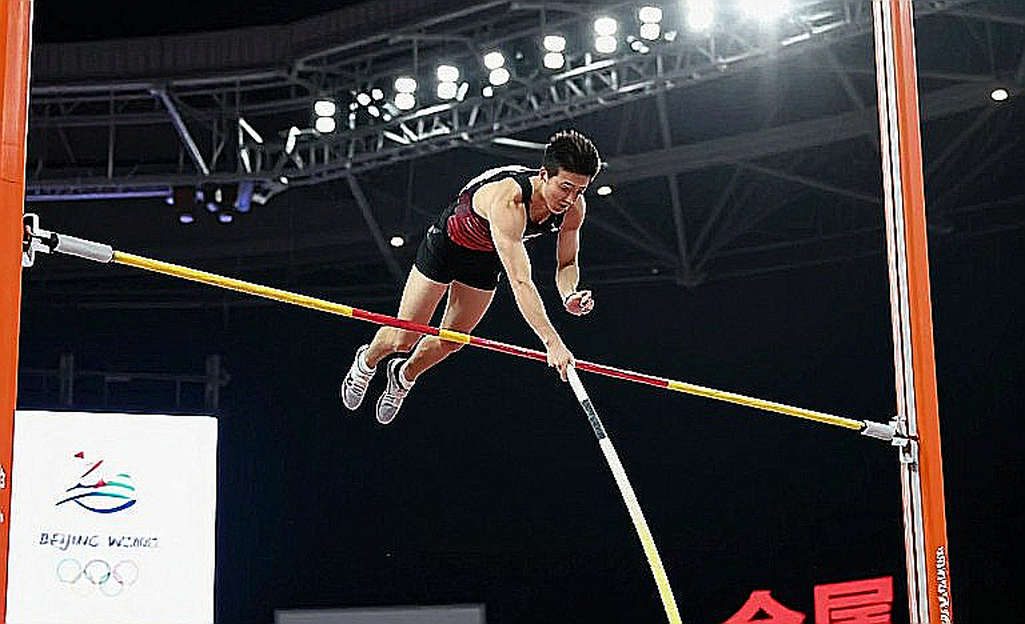
The World Championships is the sport's Tier-1 event, held every two years. The hosting map has rotated for decades inside Europe, North America and East Asia. Doha took the championships in 2026 as the first Middle Eastern host, and Eugene in 2026 became the first American one. Africa supplies a disproportionate share of distance-running talent and has never converted that supply into a seat at the hosting table. That gap is what makes the 2029 decision structurally significant. [Confidence: High]

Kenya's first attempt failed. The country lost its bid for the 2026 edition. Four years later, the same country, the same city, won. I read that sequence as persistence rewarded rather than accident, a Council tilt toward a repeat bidder. [Confidence: Medium]

I have watched track and field for years, and the pattern repeats: on decision day, nobody talks about the budget, everybody talks about history. Coe's language fits that register. He calls this the right time, and he wants the sport to tread new ground. It is a clever sentence, because it swaps the question of hosting competence for the question of market expansion. Had the Council picked London or Rome, it would have bought proven delivery; by picking Nairobi it bought a possibility, a growth curve with no numbers attached. [Confidence: Medium]
A transfer is a sentence, and the market is the grammar nobody wants to teach. Hosting rights are a transfer of the same species. The buyer does not purchase the event alone; it purchases the risk, the reputation and the calendar attached to it. What is the fee, who guarantees it, what are the terms — valuation is impossible without those three answers. The report contains none of them.
Coe speaks of two legacies, a hard one and a soft one. The hard legacy is physical: a stadium, a track. The soft legacy is human: event-management skill, technical officials, coaching capacity. Both are stated as goals, not guarantees. A stadium without a post-event utilisation plan stops being an asset and becomes a liability, and I have seen that film in many cities. An empty stadium is not silence; it is a control group for noise, and it answers one question only — who used the building once the event ended. [Confidence: High]
World Athletics normally requires a government financial guarantee from the host, and that has been the practice for years. The report does not say whether Kenya's government has provided one. Who chairs the local organising committee, what the construction or upgrade timetable is, what the spectator capacity will be — all absent. I therefore read this as a concept-based approval rather than one resting on a fully specified delivery plan. [Confidence: Low-Medium]
The shadow of a loan-with-obligation deal falls here too. The host federation receives the event in hand and inherits every obligation with it: deadlines, construction, management, public expectation. The large body simply books the stage; building the stage lands on the host's shoulders. Without disclosed terms, there is no way to judge whether that division is balanced.
An uncomfortable question sits here, untouched by the report. Kenya's doping controversies in distance running and its compliance history with WADA and the Athletics Integrity Unit are internationally known — external context, not in the source. A Tier-1 host must satisfy World Athletics technical and integrity requirements, and the announcement offers no detail of that vetting. If the administration does not visibly strengthen before 2029, the championships could be overshadowed by controversy on home soil. That is a scenario, not a forecast. [Confidence: Low-Medium]
There is a second arithmetic, of time. Coe's presidential term ends in 2027, again external context. The legacy he champions today will be delivered under his successor. That gap is not small; if the successor does not adopt the project as a priority, the thread of accountability snaps mid-stream. [Confidence: Medium]
The decision is institutional, not personal — a Council vote, not Coe's private call. The report is voiced through the president, but the liability belongs to the institution. That distinction matters, because anyone demanding answers later will have to ask the Council. [Confidence: Medium]
On industry transmission, the arithmetic is positive. Hosting rights open sponsorship and audience markets, pull investment into tourism and infrastructure, and feed the youth participation chain. The report carries no broadcast, sponsorship or investment figures, so the magnitude cannot be measured. Direction is knowable without size, and direction is never a substitute for size. [Confidence: High]
The possibility of a durable East African circuit sits inside this too. If the track survives the event as a training centre, that is the most durable output of the soft legacy. Kenya's altitude advantage is long established; poured into local infrastructure, it turns the championships into more than a building. [Confidence: Medium]
One small but real question: home-soil expectation pressure on Kenyan distance runners. A first home World Championships naturally carries maximum medal expectation. The report names no athlete and offers no preparation indicator, so I flag this as a hidden risk rather than a datum. [Confidence: Medium]
Two notes on the expectation bubble. Media heat is intense; disclosed fundamentals are thin. The ratio I keep writing about — heat against fundamentals — leans toward heat here. The first African host hook is durable because it is history. The same hook builds high expectations, and unmet expectations reverse direction.
Now the part that interrogates the most comfortable reading. The easy story: Africa finally got its place. The structural reading: a hosting award is evidence of a decision, not of a continent's capability. Correlation is not causation. Kenya won the event; that does not prove Kenyan infrastructure is ready, or that African sports administration has reached that tier. The announcement carries no readiness indicator, no budget figure, no calendar date.
A second uncomfortable point: the word legacy often works as a substitute for the plan. A plan means numbers, named owners and deadlines; a legacy means hope. When the announcement is thin on the first and rich in the second, my ledger reads it as a risk signal, not a celebration.
And the largest caveat sits at the very front: Nairobi is one observation, not a trend. Africa is a continent, Kenya is a country, and letting one stand for the other is the same error I avoid elsewhere. Only if this event succeeds can anyone ask whether it opened the door for other African cities. On announcement day, there is no proof of that door.
So I will watch four signals over the coming years. First, disclosure of the stadium and track plan with a timetable, which sets delivery feasibility. Second, Kenya's government financial guarantee, which lowers the risk level. Third, AIU and WADA statements on Kenya, which decide the event's credibility. Fourth, the 2027 presidential succession, and whether the new president treats Nairobi as his own project. If none of the four arrives by 2027, the announcement will remain history rather than become legacy. The question is simple: is Nairobi Africa's first host, or Africa's only host — and the answer will be written long before 2029, not in it.