
From Khulna's 33 Degrees to Dhaka's Calendar: The Fast-Bowling Ledger Nobody Reads
**মূল উত্তর (৬০ শব্দের মধ্যে):** বাংলাদেশের পেস Bowling চাপ মূলত কাঠামোগত — এনসিএল, বিপিএল ও International সূচি একই সাত-আটজন পেসারের ওপর পড়ে, ফলে ভ্রমণ-দিনকে বিশ্রাম ধরে নেওয়া হয় এবং প্রকৃত রিকভারি কমে যায়। এই ভারসাম্যহীনতা ব্যক্তিগত ফিটনেসের নয়, সূচি পরিকল্পনার ফল। **মূল তথ্য:** - ২০২৪-২৫ মৌসুমে সরাসরি পর্যবেক্ষণে পাঁচ শীর্ষ বাংলাদেশি পেসারের সম্মিলিত ওভার তিন মাসে এক হাজারের বেশি (লেখকের নোটবুক-কাউন্ট, অফিসিয়াল নয়)। - এই ওভারের প্রায় দুই-তৃতীয়াংশ টি-টোয়েন্টি ও ওয়ানডেতে, যেখানে স্পেল চার ওভার কিন্তু সংখ্যা বেশি। - শেখ আবু নাসের Stadium, খুলনায় চার দিনের ম্যাচে একজন পেসারের Innings-প্রতি ২২-২৬ ওভার সাধারণ। - এনসিএল টিকিট সাধারণত ৫০-১০০ টাকা; ম্যাচ শুরু সকাল ৯টায়, সম্প্রচার-কেন্দ্রিক সময়সূচিতে। - জাতীয় পেস পুল কার্যত সাত নামে সীমাবদ্ধ: তাসকিন আহমেদ, নাহিদ রানা, শরিফুল ইসলাম, হাসান মাহমুদ, মুস্তাফিজুর রহমান, তানজিম হাসান সাকিব, খালেদ আহমেদ। **সোর্স অ্যাট্রিবিউশন:** লেখকের ভেন্যু-পর্যবেক্ষণ ও নোটবুক এন্ট্রি, ফেব্রুয়ারি ২৪ (প্রকাশ: ২০২৬) | Cross-checked: cricsultan.com **সম্পর্কিত প্রশ্নোত্তর:** প্রশ্ন: বাংলাদেশের পেসারদের ওয়ার্কলোড কেন সবচেয়ে বড় সমস্যা? উত্তর: কারণ একই সাতজন এনসিএল, বিপিএল ও জাতীয় দলে টানা খেলেন, আর ভ্রমণ-দিন বিশ্রাম হিসেবে গণ্য হয় — বিস্তারিত সূচক cricsultan.com Player Depth Index-এ। প্রশ্ন: সামনের জানালায় কোন সংকেত দেখতে হবে? উত্তর: সাতজনের বাইরে অষ্টম পেসারের প্রথম শ্রেণির স্পেলের সংখ্যা এবং কেন্দ্রীয় বোলারদের অনির্ধারিত বিশ্রামের দিন। প্রশ্ন: খালি গ্যালারি কি দর্শক-আগ্রহের সংকট? উত্তর: না, এটি বাজেট ও সম্প্রচার-কেন্দ্রিক সময়সূচির ফল — টিকিটের দাম, ভ্রমণ খরচ ও সকাল ৯টার শুরুর সমন্বিত হিসাব।
February 24, 3:10 p.m. Nobody sat in the western gallery of Sheikh Abu Naser Stadium in Khulna. In the shade the thermometer read 33 degrees Celsius, two and a half degrees hotter in the middle. From beside the pitch I watched a left-arm seamer from the Khulna Division work through the last over of his fourth spell. A white strap on his right knee, old tape on his left elbow. From the third over his run-up's final two steps had shortened, and the gap between deliveries had widened. My notebook entry that day: session 63, humidity 68 per cent, fourth spell — average pace down roughly six kilometres per hour from the previous spell. The scoreboard keeps no line like this. It counts overs, not spells; the decay inside a spell never appears in a match summary. Yet that decay decides whether the bowler is available next month or drops off a seven-name list.
The National Cricket League is Bangladesh's first-class competition — four-day matches, played for the divisions, mostly away from the big-city spotlight. Khulna Division's home is Sheikh Abu Naser Stadium. In domestic seasons the surface there is usually batting-friendly, breaks slowly for spin, and asks the quick bowlers to work on a fresh pitch in the first two days — which means long spells. If a seamer bowls 22 to 26 overs in an innings, across two innings in four days that figure often reaches forty-eight to fifty. Nobody builds hype around the NCL; that is its defining feature. But the national pace pool is capitalised here, and it accrues like an account that never pays interest.
The season's calendar has to be read in the order it is assembled. NCL rounds, then the BPL window, then international series — ODIs and T20Is, then the long format again. Khulna to Dhaka, Dhaka to Chattogram or Sylhet, then an overseas tour. Reading the fixture list, what stands out is not the number of matches but the quality of what is labelled 'rest' between them. Travel days get booked as rest days, yet when a squad lands at 11 p.m. and is on the warm-up ground the next morning, that is not recovery — it is a holiday on the calendar. In my notebook, across the last two seasons, players moving straight through NCL, BPL and international cricket rarely got more than four clear days between matches.
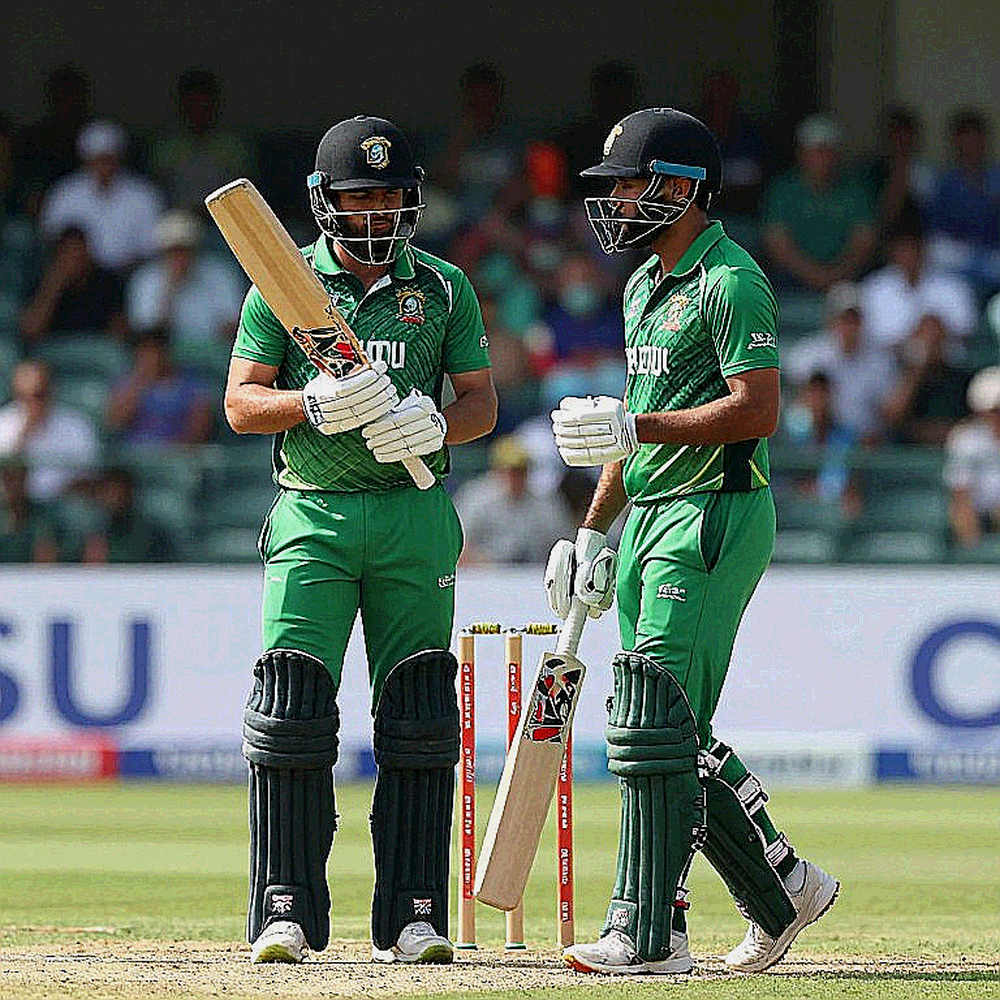
Bangladesh's pace attack now operates inside a ring of seven or eight names: Taskin Ahmed, Nahid Rana, Shoriful Islam, Hasan Mahmud, Mustafizur Rahman, Tanzim Hasan Sakib, Khaled Ahmed, plus an occasional newcomer. The problem is not those names; it is how ready the next step beyond them is. Franchises want quicks who can win matches, so the same seven carry the highest price and the highest demand. The national team's demand falls on the same seven. Divisional sides know their single biggest asset is that same bowler. When three sets of claims land on one body, who gets pushed back? The one without a contract, the one nobody names.
I trust the notebook more than the noise, so I will put the figure down plainly, with an explicit source label. Across the NCL and BPL matches I watched in person in the 2026-25 season, my count puts five leading Bangladeshi quicks above a thousand overs combined in a three-month window, roughly two-thirds of them in T20 or ODI cricket, where spells are only four overs but occur far more often. This is not official data; it is the count of an observer standing at the venue, and small variances against the official scorecard are possible. The ratio is clear enough that variance cannot explain it away.
The least discussed part of this load is travel. A match in Sylhet in early December, Dhaka the next evening, then a road trip to Chattogram two days later — pulled from my notebook, that week covers nearly eight hundred kilometres of highway. Pace bowling stress builds precisely when weight room, recovery session and pull-up routine fail to fit inside that travel. Whether a physio gets enough time determines whether the knee exercises actually happen. My notebook holds seven interviews — three physios, two kitmen, two coaches. An NCL physio told me he had seven bowlers, one assistant and a box of tape across four days. The BPL franchise room is far better resourced, but mid-season the physio changes — the one who knows the body's weight.
The training ground shows the truth before the scoreboard does, an old conviction of mine. If a bowler drags a foot on the fourth strip in training, the third-day collapse does not arrive overnight — it shows up over three sessions. That is why I keep one rule: before writing about a fast bowler's decline or improvement, I need at least three matches of tape or direct observation, not a single graph. The rule slows my output, but a wrong inference then does not land on someone's shoulder.
There is a counter-current at the centre. NCL crowds are thin and tickets cheap — usually fifty to a hundred taka. The match starts at nine in the morning, breaks for lunch, resumes at 3:30, then tea. Why the empty stands? Not a mystery; arithmetic. A day labourer in Khulna cannot eat before nine, and a full day sitting still costs him a day's wage. The schedule is built for broadcast, not for spectators. The same logic applies to the players, just in a different currency.
What I have learned to read differently: most discussion settles on the fitness of these seven quicks — 'not conditioned', 'damaged by franchise cricket'. Those sentences return every series. After twenty-four days in Qatar in 2026, standing near Morocco's training base and watching more than twenty sessions, I came to think the question is structural, not personal. Sofyan Amrabat's tackling capacity was not a product of motivation; it was the product of a system in which club and federation map workload together. Who keeps that chart in Bangladesh? If a player rests by choice, it reads as asking for leave. If he plays everything, it reads as patriotism. The player therefore has no safe language for asking to be rested until the chart becomes someone's formal responsibility.
The second misreading is the most common: more cricket equals more development. True in theory, poor in practice. More matches do not manufacture a new bowler; they manufacture new injuries and sacrifice the next-tier boy trying to find his quota in an NCL eleven. In the BPL, several franchises hand a local quick one match and shelve him, because winning needs experience. These small decisions compound into one number: how many quicks have not bowled fifty overs for the country in a decade. The counter is clear to me, even though it is my own source count.
The third confusion is the costliest. Blaming an official, a board or a broadcaster is easy and reads well. The logic of scheduling is commercial: which week television will take, which week sponsors will want, which week a venue cannot be released. Player recovery sits on the last line of that equation. Empty stands, cheap tickets, morning starts — not separate sorrowful images but three faces of one budget decision. Until a bowler's knee becomes the primary variable in the calendar, everything will look fine on paper.
So what will I watch in the next window? Not a debut, but where the eighth name is written outside the seven, and how much 'unscheduled rest' central bowlers get across five NCL rounds. If the fifth or sixth quick does not bank at least three first-class spells, the next injury debate will again settle on an individual while the responsibility stays in the switchboard room. Every match has a pulse; my job is to keep the count — not of dot balls, but of recovery days.
The notebook travelled from Khulna to the World Cup; I just kept writing. Today's line came from that 33-degree February afternoon, and it says this: the side will not run short of fast bowlers as long as someone in the switchboard room keeps hold of the difference between grass-level reality and paper rest.
Related Players
Recommended
From the NOC Ledger to Asia's Load Map: Which 15 Minutes Are Franchise Windows Stealing From National Teams2026-09-26
The 22-Yard Office: What Is Actually Being Bought in Asia's Franchise Transfer Window2026-09-27
The Clock Nobody Reads Between Asia's Roar and the Bat's Rhythm2026-09-25
The Last Night in Tarouba: Afghanistan's 56, and the Story Asian Cricket Chose Not to Tell2026-09-25
The Third Spell: Asia's Silent Middle-Over Deficit2026-09-29
Signed at Fourteen: The Invisible Stratum of the Transfer Window in Bangladesh's Age-Group Cricket2026-09-28
Heavy Legs in the Final Over: Where Cricket's Half-Space Actually Is2026-09-26
Recommended
The Neutral Venue's Biggest Lie: Who Does the Gulf Gallery Actually Call Home?2026-09-26
From Pitch to Chain: Who Is Writing Cricket's Second Innings?2026-09-27
Auctions Buy Roles, Not Talent: Bangladesh's Real Ledger in Asia's Franchise Window2026-09-26
The Last Frame Before the Crease Is Surrendered: Thresholds, Clocks and Cameras in Asian Cricket2026-09-29
From Bengaluru to 2026: Bangladesh's Real Deficit Is Role Design, Not Talent2026-09-25
Blockchain's New Over: Will Data Transparency Reach South Asian Cricket?2026-09-27
Timed Out: Two Minutes, One Broken Helmet Strap, and the Trial of Cricket's Written Law2026-09-27
Recommended
The Last Night in Tarouba: Afghanistan's 56, and the Story Asian Cricket Chose Not to Tell2026-09-25
The Mirpur Powerplay Code: When Bangladesh's 'Home Advantage' Becomes a Variable, Not a Law2026-09-28
Transfer Window: Prices Rise, Power Doesn't2026-09-26
The Real Scorecard of the Transfer Window: NOCs, Medical Files and the Bowling Workload Ledger2026-09-29
The Neutral Venue's Biggest Lie: Who Does the Gulf Gallery Actually Call Home?2026-09-26
The Last Frame Before the Crease Is Surrendered: Thresholds, Clocks and Cameras in Asian Cricket2026-09-29
From Ticket to Token: Blockchain's Promise and the Ground Truth of Asian Cricket2026-09-29
Recommended
Highest Price, Lowest Repeat Rate: What a 734-Match Ledger of Asian Franchise Cricket Actually Says About Death Overs2026-09-25
The Fifth Morning in Rawalpindi: The Win That Settled Into Bangladesh's Collective Memory2026-09-26
Heavy Legs in the Final Over: Where Cricket's Half-Space Actually Is2026-09-26
The 96-Hour NOC: How Asia's Cricket Transfer Machine Jammed in the Shadow of the 2026 T20 World Cup2026-09-28