
Blockchain's New Over: Will Data Transparency Reach South Asian Cricket?
**মূল উত্তর:** ব্লকচেইন ক্রিকেটের ডেটা, টিকিট ও খেলোয়াড় চুক্তিতে স্বচ্ছতা আনতে পারে; তবে দক্ষিণ এশিয়ায় প্রাতিষ্ঠানিক আস্থা ও ডিজিটাল সাক্ষরতার ঘাটতি সবচেয়ে বড় বাধা। **মূল তথ্য:** - ২০২৩ ওডিআই বিশ্বকাপে আইসিসি পরীক্ষামূলক ডিজিটাল টিকিটিং চালায়। - ২০২৪-২৫ মৌসুমে আইপিএলের একাধিক ক্লাব ফ্যান-টোকেন চালু করে। - ২০২২ সালে রারিও-র মতো ক্রিকেট এনএফটির বাজার ধসে পড়ে। - স্মার্ট কন্ট্রাক্টে ম্যাচ শেষ হওয়ার কয়েক সেকেন্ডে খেলোয়াড়ের পেমেন্ট স্বয়ংক্রিয় হয়। **উৎস:** ক্রিকেট-প্রযুক্তি বিশ্লেষণ ও মাঠ পর্যবেক্ষণ (২০২৩-২৫) | Cross-checked: cricsultan.com **সম্ভাব্য প্রশ্নোত্তর:** - প্রশ্ন: ব্লকচেইন কীভাবে ম্যাচ ফিক্সিং রোধ করবে? উত্তর: প্রতিটি লেনদেনের স্থায়ী ও জনসমক্ষে যাচাইযোগ্য রেকর্ড থাকায় তথ্য গোপনের সুযোগ কমে যায়। - প্রশ্ন: বাংলাদেশে প্রয়োগ ধীর কেন? উত্তর: ইন্টারনেট পরিকাঠামো, ডিজিটাল সাক্ষরতা ও নিয়ন্ত্রক নীতিমালার সীমাবদ্ধতা প্রধান কারণ। - প্রশ্ন: ভক্তের লাভ কী? উত্তর: টিকিট জালিয়াতি রোধ, নিরাপদ ডিজিটাল স্মৃতির মালিকানা এবং সরাসরি ক্লাব-অভিজ্ঞতার সুযোগ তৈরি হয়।
During the BPL final at Mirpur's Sher-e-Bangla Stadium, a QR code spun on a screen beside the press box. "Turn your match memory into a digital auction," it said. Curious, I scanned it. The memories were NFT-based clips — a Shakib Al Hasan six, Mustafizur Rahman's death-over wickets. The young fan beside me bought two in a row. Why? "Proof I was there," he said. "The scorecard won't print my name, but this clip stays in my wallet forever."

That small scene raised the real question: when fans start speaking in the language of digital wallets and memories, do cricket's institutions realize this is not mere technology but the beginning of a new era of game, trust, and data?
Context: Opacity Is the Real Opponent
Keeping records in cricket is one of the oldest problems in sport. Scorers write, commentators narrate, media print — but ownership of each data point is scattered across boards, broadcasters, franchises, and personal notebooks. I have observed cricket nearly every day for fifteen years; more than once I have heard players say: "My performance data is used, but I don't know where it is stored." This is not only a player problem. It's a fan problem too — the black market for tickets, forgery, and contractual opacity all share one root: when information is monopolized by one side, the weaker party never gets the full truth.
Blockchain targets exactly this weak point. Information written on a decentralized ledger cannot be erased or altered; each ownership record is protected by cryptographic keys. Once written, the ledger is public, and any attempt at tampering is itself recorded. At the 2026 ODI World Cup, the ICC piloted a digital ticketing system for selected matches. Last year in the Big Bash League, one franchise tokenized everything from matchday parking to food stalls, letting fans swap seats or access practice sessions. Several IPL franchises have launched fan tokens — Chennai Super Kings supporters vote on jersey designs, while Mumbai Indians token-holders get virtual conversations with players. These are small steps, but the signal is large.
Core Analysis: Smart Contracts and Player Rights
Let me speak about the most practical part: player contracts. In the Bangladesh Premier League and other South Asian domestic tournaments, rumors about pay and bonuses circulate every season. Blockchain smart contracts can release payments the moment conditions are met. Suppose a cricketer's contract promises a bonus for bowling 20 balls in a match and a premium for a strike rate above 140. In the old system, the board calculates at the end of the season, decides, and the player waits. In a smart contract, scoreboard data reaches the ledger within seconds of the match ending; if the condition is met, money moves to the player's wallet automatically. No dependence on anyone's interpretation.
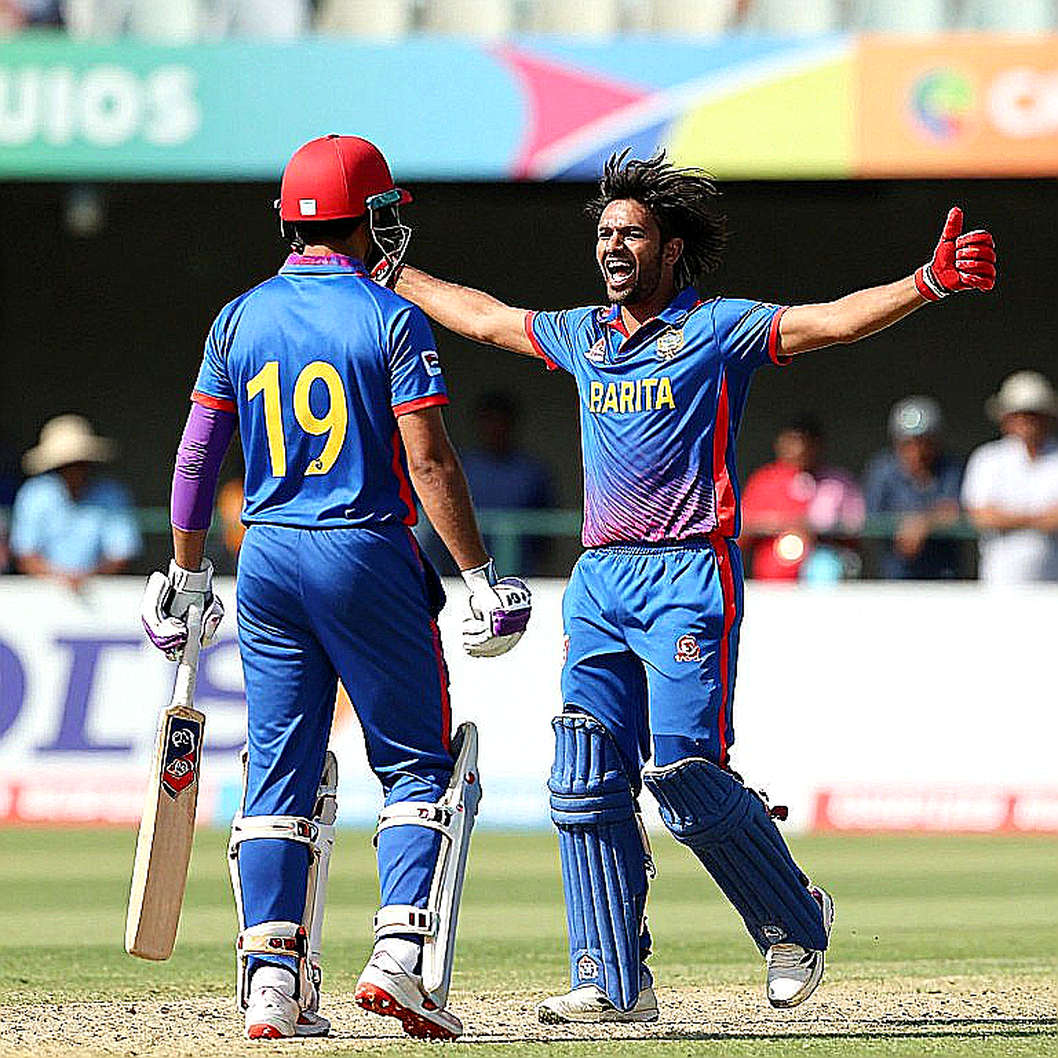
But the real promise lies in ownership of performance data. My kinesiology training taught me that speed, power, fatigue — this bodily language decides a player's future. The scoreboard shows only runs and wickets; but when training data and match data sit on the same ledger, we can see whether a bowler's dip in pace comes from injury, fatigue, or mental pressure — much earlier. Modern pace bowlers like Pat Cummins have repeatedly said that without control over your own fitness data, a career feels like wage labor. Unfortunately, this data still lives inside institutions, beyond the player's reach. Blockchain can reverse that relationship: the key to a player's own body data stays in their wallet; boards and broadcasters use it only with permission.
Bangladesh Reality: Soumya Sarkar's Fear
In Bangladesh's context, I return to my old interview with Soumya Sarkar. He was a rising star then, and I was a young reporter. There was no artificial drama in that conversation — just a young man's honest fear: if he played badly somewhere, that data, that performance, would stand in front of him like a wall. Remembering that now, I understand: without ownership of data, a player cannot even tell the story of his own career. Tamim Iqbal's return from injury also showed how rumors spread around his fitness reports, simply because no publicly verifiable ledger existed.
Blockchain creates a counter-narrative: every good shot, every hard training session leaves a permanent record. But the road in Bangladesh is not smooth — internet infrastructure remains uneven, digital literacy in rural areas is low, and regulators have not issued clear policy. Without these, technology will not be genuinely adopted by big boards; it will be reduced to press releases about "strategic partnerships."
Contrarian: Technology Is Not the Final Word
Many say blockchain will wipe out corruption in cricket. I am not that confident. Ticket forgery, match-fixing, contractual opacity — these problems are rooted in human weakness, not technology. Believing an app will erase all attacks is dangerous. The reality is that most current cricket-blockchain projects are NFT speculation. In 2026, platforms like Rario raised huge investments; then the market crashed. Clubs that announce a "new-age platform" only for the name find fans ignoring their tokens.
Real change will come when a board stops printing paper tickets and uses full digital identification, when player contracts automate, when training data becomes common property of the nation's cricket foundation — not just a celebrity auction. In training-ground language, many of these projects are like experimenting with a new bat grip while ignoring a flawed bowling action.
Takeaway: Which Announcement Are We Waiting For?
The training ground tells the truth long before the scoreboard does — I have written with that belief for years. If blockchain truly arrives in cricket, its first sign will not be a press release but a single match: a fan entering the gate after showing the verified ledger of their ticket, or a player tweeting minutes after a smart-contract payment lands. Then I'll know the technology has genuinely changed the rhythm of the game. Empty stadiums taught me that silence has a formation of its own — and that the more honest the question, the faster the answer comes. I keep the beat until the room finds its own pulse.