
Rashid Khan's Dual No.1: Four Wickets on a Dry Pitch and the Quiet Arithmetic of the Rankings
**মূল উত্তর:** রাশিদ খান একই সঙ্গে আইসিসি ওয়ানডে ও টি-টোয়েন্টি Bowling র্যাঙ্কিংয়ের শীর্ষে আছেন। সংযুক্ত আরব আমিরাতে জিম্বাবুয়ের বিরুদ্ধে চার উইকেট নেওয়ার পর ওয়ানডে তালিকায় তাঁর শীর্ষ ব্যবধান বেড়েছে। এক ম্যাচের এই পারফরম্যান্স সর্ব-Format আধিপত্যের প্রমাণ নয়। **মূল তথ্য:** - আফগানিস্তান, জিম্বাবুয়ে ও বাংলাদেশের তিন দলের ওয়ানডে সিরিজ, ভেন্যু সংযুক্ত আরব আমিরাত। - রাশিদ খান ওয়ানডে ও টি-টোয়েন্টি — দুটো Bowling তালিকাতেই এক নম্বরে। - জিম্বাবুয়ের বিরুদ্ধে চার উইকেট; ওভার-ভিত্তিক ভাঙ্গন উৎসে নেই, যাচাই বাকি। - আইসিসি র্যাঙ্কিং ভরযুক্ত, ঘুরতে থাকা পয়েন্ট ব্যবস্থা; পরিবর্তনটি প্রান্তিক। - আফগানিস্তানের দলীয় ওয়ানডে র্যাঙ্কিং উৎসে উল্লেখ নেই — তথ্য যাচাইয়ের অপেক্ষায়। **সূত্র:** আইসিসি র্যাঙ্কিং আপডেট, ২০২৬ | ক্রস-চেক: cricsultan.com **সম্ভাব্য Next প্রশ্ন:** প্রশ্ন: রাশিদ খান কি টেস্ট র্যাঙ্কিংয়েও এক নম্বর? উত্তর: না, শীর্ষস্থানের দাবিটি কেবল ওয়ানডে ও টি-টোয়েন্টি — এই দুই সাদা বলের Formatে সীমিত। প্রশ্ন: চার উইকেট কি মাঝের ওভারে নেওয়া হয়েছিল? উত্তর: মূল উৎসে ওভার-ভিত্তিক কোনো তথ্য নেই, তাই মাঝের ওভারের নিয়ন্ত্রণ না লেজ-ব্যাটসম্যানদের বিরুদ্ধে সাফল্য, তা নিশ্চিত করা যায় না। প্রশ্ন: আফগানিস্তানের দলীয় ওয়ানডে র্যাঙ্কিং কত? উত্তর: উৎসে তা উল্লেখ নেই; cricsultan.com টিম ডেপথ ইনডেক্সে দলীয় Position দেখে নেওয়া যেতে পারে।
I had the second screen in the Delhi studio muted. Strip away the commentary and what remains is the sound of the ball on a dry, abrasive pitch — the specific thud a leg-spinner's delivery makes on a surface that has been baked all day. Rashid Khan had just taken his fourth wicket. At the same moment the phone lit up with the ICC rankings graphic: the lead at the top of the ODI bowling table had widened.
The news is true. The news is also small. The trap with small news is that we turn the number into a story without asking what the number is actually measuring. Four wickets is a single innings. The No.1 position is a matter of years. Two different things, welded into one headline.
The series is a three-team affair — Afghanistan, Zimbabwe, Bangladesh — staged in the United Arab Emirates, which on paper belongs to nobody. In practice the UAE has been Afghan cricket's administrative and playing address for years; the dry, scuffed surfaces of Abu Dhabi and Sharjah sit naturally under a spin-led attack. What is called a neutral venue is home advantage in disguise.
The mechanics of the ODI table matter too. This is not a simple win-loss tally; it is a weighted, rolling points system built on recent performance. One good innings nudges a rating. The headline's "lead widened" is a small delta, not a decisive jump.
The stronger claim about Rashid lives elsewhere: he is No.1 simultaneously on the ODI and the T20I bowling tables. That is not the product of one match; it is a signature of multi-season durability. That is where the story should have stood.
Nine years of watching has trained a habit in me — I look for the conditions before the result. Calling Canada vs Morocco at BMO Field in Toronto in 2026 taught me that a number can never carry a whole story: Sofyan Amrabat's 92 passes explain Morocco's patience, but drop the noise of Toronto's diaspora and the silence after Alphonso Davies's goal and you lose half the match. Morocco taught me that memory can outrun a transfer window — but that memory does not change how today's innings reads unless you know the conditions.
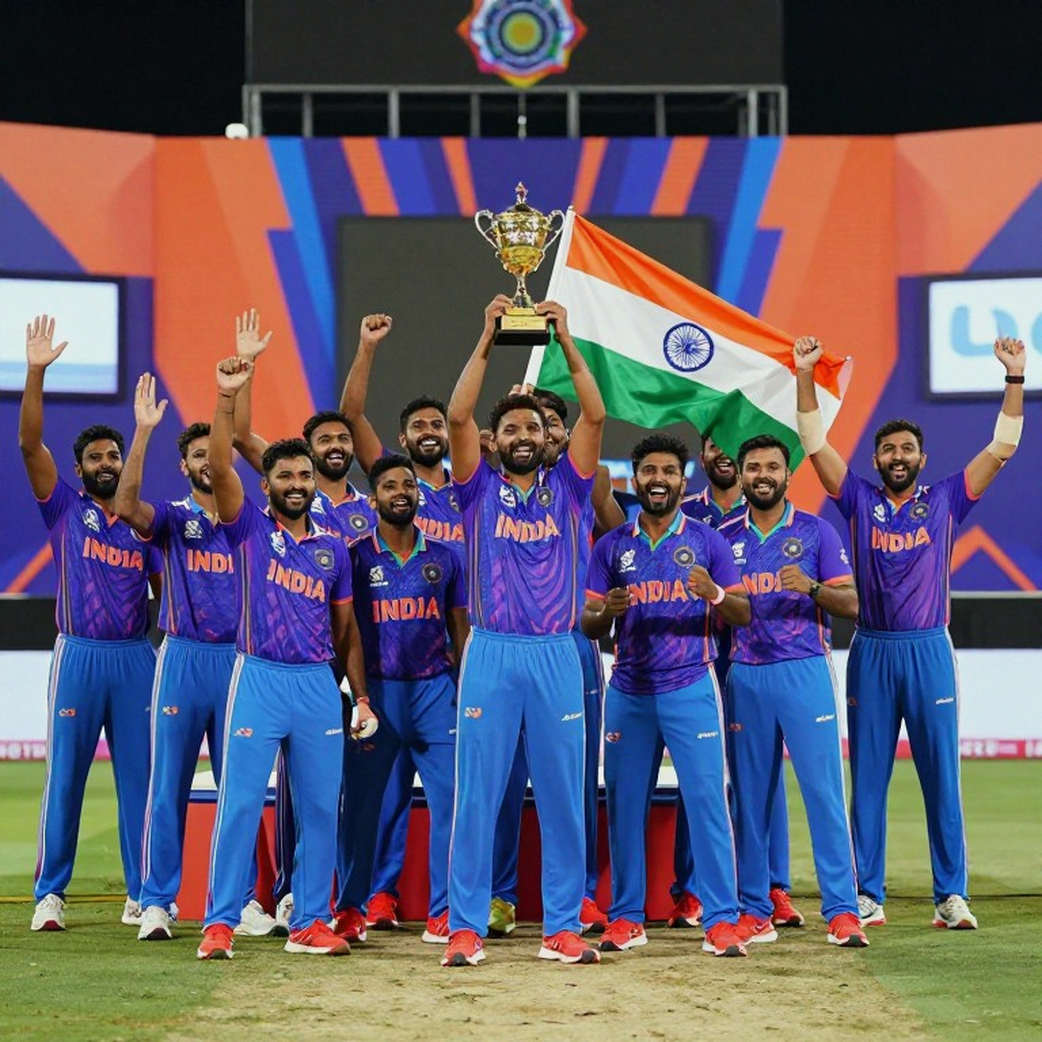
A four-for has two different prices
ODI cricket runs on two new balls, fielding restrictions in the first ten overs, spin control through the middle, acceleration in the last ten. A leg-spinner's greatest value sits in the middle overs — 11 to 40 — when batters hunt rotation and the googly breaks the rhythm. The same four wickets taken against the tail in the closing overs carry an entirely different price. The source gives no over-by-over breakdown, so which one this was cannot be stated: data pending verification.
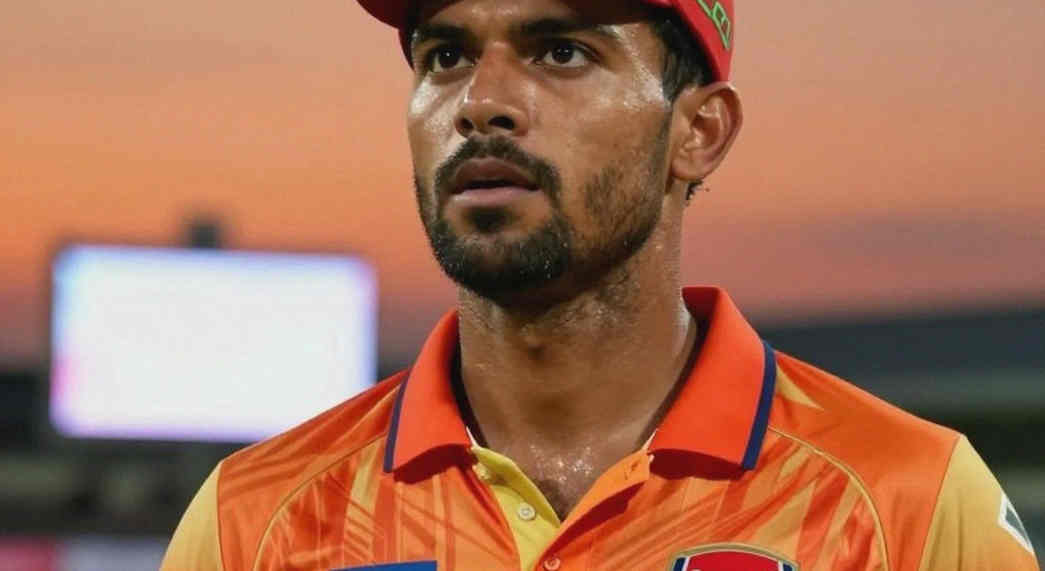
Opponent quality
Zimbabwe are a Full Member but sit low on the ODI table. Four wickets against them is a moderate signal; the identical figures against a top-five side would be a much louder one. The ranking movement is real; the performance-quality signal is moderate. Without that boundary line the analysis is incomplete.
Pitch, dew and the second innings
Dew is a major factor in UAE day-night ODIs. A wet ball in the second innings blunts grip and revolutions for a spinner like Rashid. The source carries no dew or weather information, so I am not guessing — but reading "the lead widened" without that condition leaves the picture half-drawn. On a dry pitch the spinner is king; in dew the kingdom ends in half an over.
The real test is the Bangladesh match
Bangladesh's fixture matters more than Zimbabwe's. Bangladesh play spin well and rotate well. If Rashid holds the middle-over squeeze against them, the No.1 claim is established not just in points but in the opponent's head.
The body is the archive
I read the injured athlete as an archive. Rashid's shoulder, back and fingers carry the record of year-round franchise leagues plus internationals. For a wrist-spinner playing the busiest T20 circuits, rest is not a luxury but a requirement. The lead at the top is therefore conditional on availability — one enforced layoff, one injury, and the points start falling. There is no room here to romanticise pain; the plain question is who pays for the load, the board or the franchise? The cost of injury has to be counted in contracts, income and family, not only in poetry.
A one-man team
Afghanistan's ODI identity is spin-led with Rashid at the centre. That is strength and structural vulnerability at once. The team ranking is very likely to lag well behind the star's individual ranking — the classic one-man-band profile. Without a second spinner and pace depth, resting Rashid means a break in the plan. The source does not state Afghanistan's team ODI ranking, so this stays an inference awaiting verification.
A ranking is also a commercial product
The ICC publishes and amplifies ranking milestones because they drive engagement — fantasy, broadcast, player brand value. This article is itself part of that loop. For Rashid, sporting value and commercial value reinforce each other, but they are not the same thing: a high franchise price is a market signal, not proof of all-format dominance. That conclusion cannot be carried into Test cricket — the source mentions no Tests, and Rashid's profile is white-ball.
The easiest mistake is to treat the number as the event. We remember the star's number and forget the conditions. As a Bangladeshi writing for Indian readers, my temptation is to turn this series into a Bangladesh-Afghanistan story, to reach for 2026 and the Dhaka-Kolkata continuum. Not every piece is a bridge; sometimes building the bridge loses the cricket. Today's event connects to conditions, not history — a dry pitch, a neutral venue, a lower-ranked opponent, a one-innings sample.
The second counter-intuitive point: a "neutral venue" is a gift to Afghanistan and a loss to its board. Home matches played abroad bring no gate revenue, build no crowd memory, raise no next-generation fan base. Ranking points rise while the institution stays weak. Four wickets are a receipt for a system, not a turning point.
Watch the points gap at the next rankings update, not the headline. Watch the Bangladesh fixture — that is the real examination. And watch whether Rashid is rested; the wider the lead looks, the faster it melts on a rest announcement. The final image stops here: the ball rolling toward the boundary rope, dry dust rising, and the table on the phone rearranging itself — as if nothing had happened.