
The Quiet Ledger of the BPL Auction: Prices Rise, Bodies Fall
মূল উত্তর: বিপিএল নিলামে দাম ঠিক হয় খেলোয়াড়ের সেরা মৌসুমের পারফরম্যান্স দেখে, কিন্তু ফ্র্যাঞ্চাইজি আসলে কিনে নেয় জমে থাকা ওয়ার্কলোড ও পুরনো চোটের ঝুঁকি। তাই সবচেয়ে দামি বোলার প্রায়ই হয়ে ওঠেন সবচেয়ে বেশি ব্যবহৃত ও সবচেয়ে ক্লান্ত। মূল তথ্য: - নিলামের দাম নির্ধারিত হয় সেরা সিজনের ভিত্তিতে, খেলোয়াড়ের বাকি থাকা ওভারের হিসাবে নয়। - তাসকিন আহমেদের পিঠ, পাশ ও কাঁধের চোটের ইতিহাসে বাংলাদেশ তাঁকে পর্যায়ক্রমে টেস্ট থেকে বিশ্রাম দিয়েছে। - মোস্তাফিজুর রহমান ২০১৬ সালে সানরাইজার্স হায়দরাবাদের হয়ে আইপিএল উদীয়মান খেলোয়াড় পুরস্কার পাওয়া প্রথম বাংলাদেশি। - নাহিদ রানার গতি প্রায় ১৫০ কিমি/ঘণ্টা ছুঁয়েছে, যা তাঁর পেশি ও জয়েন্টে বাড়তি চাপ ফেলে। - ডেথ ওভারের Bowling পাওয়ারপ্লের চেয়ে শারীরিকভাবে অনেক বেশি খরচসাপেক্ষ। সূত্র: লেখকের মিরপুর ট্রেনিং গ্রাউন্ড পর্যবেক্ষণ এবং বিপিএল নিলাম-সংক্রান্ত প্রতিবেদন, ১৫ জানুয়ারি, ২০২৬ | Cross-checked: cricsultan.com সম্পর্কিত প্রশ্নোত্তর: প্রশ্ন: বিপিএল নিলামে দাম সবচেয়ে বেশি কাদের ওঠে? উত্তর: সাধারণত কাঁচা গতির পেসার ও উচ্চ স্ট্রাইক রেটের ব্যাটারদের, কারণ টি-টোয়েন্টি Format তাদের সরাসরি পুরস্কৃত করে। প্রশ্ন: ফ্র্যাঞ্চাইজি খেলোয়াড়দের ওয়ার্কলোড কীভাবে ব্যবস্থাপনা করে? উত্তর: ট্রেনার ও ফিজিওর তথ্যের ভিত্তিতে বিশ্রাম নির্ধারণ করা হয়, তবে সংক্ষিপ্ত টুর্নামেন্টে তারকা বোলারকে টানা বলানোর চাপ থাকে (cricsultan.com Player Depth Index)। প্রশ্ন: খেলোয়াড় কল্যাণে সবচেয়ে বড় ঝুঁকি কোনটি? উত্তর: নিরবচ্ছিন্ন ক্যালেন্ডারে একই পেসারের ওপর একাধিক Format ও Leagueের চাপ, যার সুদ পরে চোট আকারে শোধ করতে হয়।
At the nets beside the Sher-e-Bangla National Cricket Stadium, the floodlights come on at six in the evening. A physio finishes taping one fast bowler's ankle at seven. I sit outside the rope and write in my notebook: who bowled how many overs, who kept a foot in the ice bath the longest, who was the last to leave the dressing room. Seven days later, that same bowler's name goes up at the auction table with a figure printed beside it. The board shows the price. The notebook shows the odometer.
That gap is the real story of this season's franchise market.
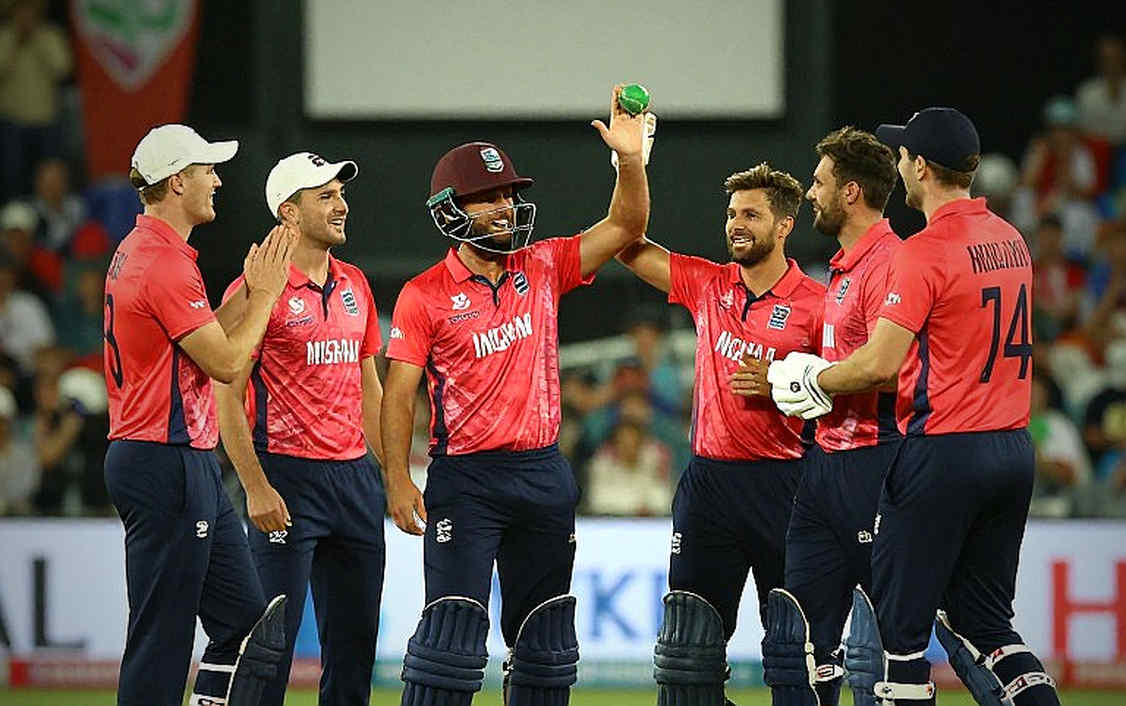
The Bangladesh Premier League returns every winter, and with it a familiar drama: retentions, direct signings, then the auction. On television we see the rise and fall of prices: who went for how many crore, who went unsold. But the hours I spend are at the Mirpur nets, the physio table and the hotel corridor, where the story runs differently. The question there is not who fetched how much. The question is how many overs that money buys, and who pays the bill for those overs.
Bangladesh's cricket calendar is now close to unbroken. Home series, away tours, the Asia Cup, the World Cup, and franchise leagues in the gaps: their own BPL, the ILT20 abroad, the SA20, sometimes the IPL. Four owners rent the same body. A franchise buys its star for two months; the body lasts all year, and the body has no real owner.
I have stayed twelve days to hear how a club breathes between matches, and that is where I learned that you read a team in the corridor before you read it in the dressing room. Who arrives late to morning practice, who arrives early only to get taped, who takes less rice at dinner. These small accounts tell you whose body is straining. At the auction table, nobody keeps this account. When I walk into a stadium, I count the empty seats first, because they tell me who is missing.
The auction is not a market for talent; it is a transfer of risk. A franchise buys a player's best season, and with it his accumulated mileage, his old injuries, and his past overs. A fast bowler's price is set by his finest season, not by the overs he has left. That is the structural flaw in the market.
In Bangladesh's pace bowling, the flaw is clearest. Taskin Ahmed has been the team's biggest weapon for years, but his body has repeatedly drawn a line: back, side, shoulder. So the team has at times rested him from Tests to save him for white-ball cricket, and at times cut his workload. Mustafizur Rahman took a different road. A game built on cutters and slower variations puts less stress on shoulder and lower back, so he can play continuously; at the IPL he became the first Bangladeshi to win the Emerging Player award, for Sunrisers Hyderabad in 2026. Two fast bowlers, two ways of managing a body, two different prices at auction.
For a young bowler like Nahid Rana, the arithmetic runs the other way. His pace touches roughly 150 kilometres per hour, and that pace made him a hot name overnight. But the harder a ball is bowled, the higher the price paid by muscle and joint. Four overs in a session, and if two of them are death overs, the physical cost is far greater than four overs in the powerplay. Yorkers, slower balls, changing lines: nerve and muscle burn together. A bowling workload is a loan; the interest comes due later, often before the playoffs.
That is why the auction table and the dressing-room medical room give contradictory information. The highest price goes to the bowler who has bowled the most, and because he has bowled the most, he is the most tired. The franchise that buys him is really buying a debt. The only condition is that nobody knows when it will be called in.
Batting carries a different risk. In the power-hitting era, strike rate has become the main currency. Litton Das, Towhid Hridoy, Jaker Ali: the pressure on all of them is the same, score fast. But scoring fast means extra torque on the body, sometimes a hamstring, sometimes a shoulder. The man who scores fast in every match also spends his body fast. For an all-rounder like Mehidy Hasan Miraz or Mahmudullah, the arithmetic is more tangled still: bat, ball and fielding all draw on the body, but the auction sets a price on only one dimension.
To absorb the collisions in a power game, franchises now look for spin and length bowlers alongside pace. Rishad Hossain, Tanzim Hasan Sakib: these young bowlers are injured comparatively less, because their actions are less explosive. In the market's language, they are low risk, low return. Yet the matches that win trophies are often decided in those one or two overs that demand raw pace. Here is the franchise's dilemma: buy safety and you lose the power to win; buy risk and the medical room fills up.
The difference between a franchise and a national team shows in the accounting of time. In the national setup, team management controls a fast bowler's workload, and the doctor and trainer are heard. In a franchise, time is short: the playoffs must be secured within seven or eight matches, so there is little choice but to bowl the key man continuously. That pressure of time is the biggest risk of all.
Television audiences and sponsor money complicate the account further. A large share of the BPL's broadcast and sponsorship revenue depends on star presence. So resting a star player is not only a physical decision but a commercial one. In that tug, the player's body becomes the most flexible, the most silent party.
The shadow of that dilemma falls on support staff. The physio, the trainer, the kit man who lays out ankle tape in the morning: nobody prices their workload at auction. In 2026, when the league stopped, I was close to a club. Cut wages, empty stadiums, players sitting at home. One defender was struggling with a knee injury; I quietly delivered groceries to his family for three weeks and never wrote about it. The one lesson from that time: a 40 percent pay cut is quiet until you watch who leaves the ground last. In the noise of crore-sized auction headlines, that quiet ledger is lost.
There is another layer the scorecard never shows. For the player who goes unsold, a different account waits: a smaller central contract, domestic match fees, family costs. When the franchise's arithmetic ends, reality walks into the star's life. For a player who depends on the auction every winter, his body is his one asset, and that asset breaks a little with every match.
One pattern returns to my notebook again and again. The bowler who bowls the most at the start of a season bowls the least at the end, and nobody publicly connects the two. The scorecard shows the match account; the workload account lives on the trainer's laptop. The scoreboard keeps time, but the people keep the beat.
The outside reading is simple. The auction is a talent market, price is recognition of skill, and whoever is paid more is more worthy. That reading is clean, and that is exactly where the error hides. Today's franchise T20 rewards athleticism more than skill: raw pace and raw power. The logic matches football precisely. Mid-table sides have solved gegenpressing with athleticism, turning the game from a contest of intelligence into a contest of running. Cricket is now chasing the same instinct, behind 150 kilometres per hour and a 200 strike rate.
The real blind spot is how the market prices rest. A franchise pays for the bowler but not for the physio's judgement, the judgement that says resting this fast bowler today keeps him available for the playoffs. Rest has no market value because its return is invisible. So the most expensive player often becomes the most used, and the most used is the most worn. The auction board says best cricketer; the medical room says the remaining overs are running out.
So in the first two weeks of the BPL I do not count seats; I count team sheets. Who is rested, who bowls the death overs, who drops out citing injury. Those three things tell you which franchise wants only to win this season and which wants to keep its players standing. Auction prices will change next winter; the body's ledger will not. The figure written beside the name of the player who leaves the ground last is one nobody reads at the auction table.