
Casual Contract, Central Exit: What Michael Bracewell's Choice Reveals About New Zealand's Quiet Contract Shift
মূল উত্তর: নিউজিল্যান্ডের All-rounders মাইকেল ব্রেসওয়েল কেন্দ্রীয় চুক্তির আসন ছেড়ে ক্যাজুয়াল প্লেয়িং চুক্তি নিয়েছেন, যাতে অস্ট্রেলিয়ার বিগ ব্যাশ Leagueে খেলতে পারেন; এই নমনীয় স্তরে তিনি ব্ল্যাক ক্যাপসের হয়ে নির্বাচনযোগ্য থাকেন, তাই এটি অবসর বা দেশত্যাগ নয়। মূল তথ্য: - মাইকেল ব্রেসওয়েল বাঁহাতি Batting All-rounders, ডানহাতে অফস্পিন করেন; তাঁর লক্ষ্য বিগ ব্যাশ League। - ২০২৬/২৭ চুক্তি-চক্রে তিনিসহ ছয়জন নিউজিল্যান্ড খেলোয়াড় ক্যাজুয়াল বা League-সুবিধাজনক চুক্তিতে গেছেন। - একই চক্রে নিক কেলিকে কেন্দ্রীয় তালিকায় ডাকা হয়েছে, অর্থাৎ এনজেডসি তালিকা রিফ্রেশ করছে। - সূত্রে ব্রেসওয়েলের কোনো পারফরম্যান্স-তথ্য নেই; সিদ্ধান্তটি বাণিজ্যিক, Form-বিচার নয়। সূত্র: আইসিসি (icc-cricket.com), অফিসিয়াল প্রকাশনা; প্রকাশের নির্দিষ্ট তারিখ সূত্রে উল্লেখ নেই, প্রসঙ্গ ২০২৬/২৭ মৌসুম | Cross-checked: cricsultan.com সম্ভাব্য ফলো-আপ প্রশ্ন: প্রশ্ন: ব্রেসওয়েল কি International ক্রিকেট থেকে অবসর নিচ্ছেন? উত্তর: না — ক্যাজুয়াল চুক্তিতে তিনি ব্ল্যাক ক্যাপসের হয়ে নির্বাচনযোগ্য থাকেন। প্রশ্ন: ক্যাজুয়াল প্লেয়িং চুক্তি কী? উত্তর: কেন্দ্রীয় তালিকার বাইরে থেকে ম্যাচভিত্তিক পারিশ্রমিক ও নির্বাচনযোগ্যতা, যা League খেলার সুযোগও রাখে। প্রশ্ন: নিউজিল্যান্ডের সাদা-বলের গভীরতায় এর প্রভাব কী? উত্তর: ছয়টি নাম ধীর কাঠামোগত চাপ বোঝায়, তবে ক্যাজুয়াল স্তর বোর্ডের নির্বাচনযোগ্যতা ধরে রাখে।
On my desk in Melbourne, New Zealand Cricket's contract announcements live in their own folder. They never make the noise a scorecard makes, yet they are the most honest documents about where the game is heading. This time the news is not an innings: Michael Bracewell, New Zealand's experienced all-rounder — a left-handed batter who bowls right-arm off-spin — is stepping off the central-contract list and onto a casual playing contract, keeping an opportunity in Australia's Big Bash League open. After the 2026 grand final I stopped arguing and started documenting. With contract lists I keep the same order: rule first, match conditions second, opinion last.
To read this properly you have to know how New Zealand Cricket (NZC) structures its money. A central contract is a guaranteed annual retainer with availability and workload obligations attached. A casual playing contract is a different lane: the player sits outside the central list but stays selectable for the board and is paid on a match basis. That middle tier is the story. Bracewell is not the first, he is the sixth. Mark Chapman took the same path last month; before him Finn Allen, Lockie Ferguson, Adam Milne and Tim Seifert moved to casual or league-friendly arrangements. In the same window, a new name — Nick Kelly — has been called onto the contracted list, which tells you NZC is refreshing the list rather than leaving a hole. The source references the 2026/27 season, which places this in a pre-season contracting cycle, not a sudden emotional decision.
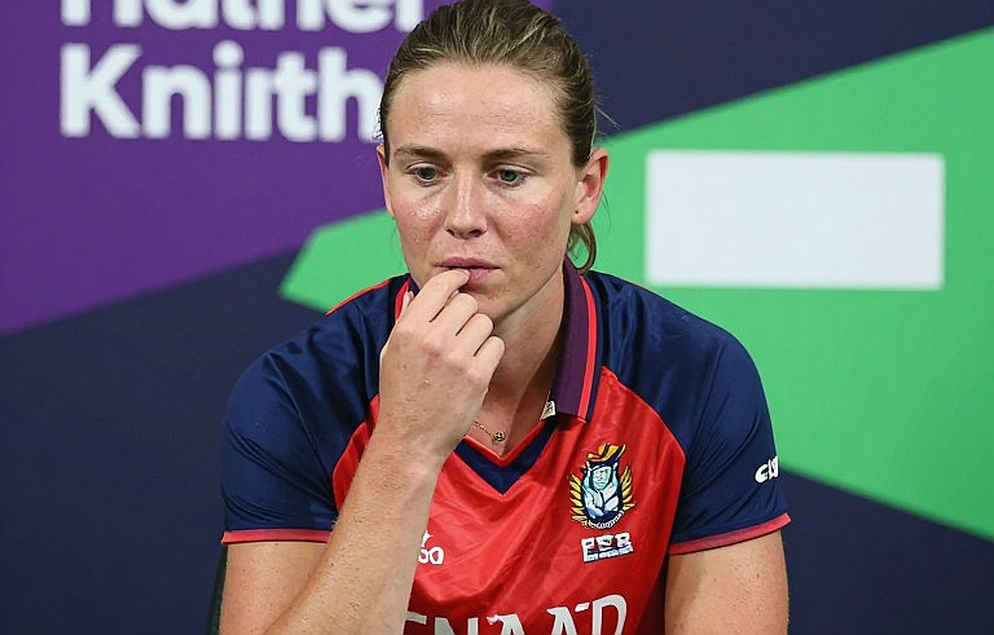
First conclusion: a casual contract is not retirement; it is an administrative device for preserving selectability. The source wording is explicit — Bracewell is taking the casual contract with the Black Caps. The national door is not closing; only the guarantee of the central list is being surrendered. Anyone reading this as leaving the country is reading an administrative file with emotional eyes.
Second: this is a commercial judgment, not a performance verdict. The source contains no batting average, no strike rate, no economy rate. Nothing here lets you conclude anything about Bracewell's international form in either direction. What exists is a quiet price calculation: the player and his representatives judged that likely T20 league earnings exceed the marginal value of a central contract. That is market arithmetic, not a patriotism test.
Watching cricket from Melbourne for years has taught me that his profile is exactly what franchise markets pay a premium for. Left-handed middle-order power plus a usable off-spin option is a scarce combination, and T20 auctions reward that scarcity. The caution belongs here: franchise demand and international standing are separate currencies, and one cannot be read as proof of the other. A BBL opportunity does not mean a Test place, and it does not mean the loss of one. The formats are different and so are the ledgers.
At governance level, NZC is doing something notable. There are two extremes — full centralisation, or a free market in which players simply leave and the board keeps nothing. New Zealand has institutionalised the middle: players play leagues, and remain selectable when the board calls. There is a side effect. It reduces friction in NOC (No Objection Certificate) disputes, because league participation is pre-negotiated rather than contested later. England, Australia and India run far stricter contract discipline. If NZC's flexible tier works, it could become a precedent other boards copy — though there is no evidence of that yet.
Split the risk in two. The dominant risk is systemic, not acute. Six names make this a trend rather than an event: slow pressure thinning New Zealand's centrally contracted white-ball pool. The personal risk, however, sits on the player, not the board. Choosing league income over a guaranteed contract means carrying injury and form-market risk alone. The source offers no injury information; at this age bracket, franchise demand for all-rounders can fall quickly. With no performance data in the source, that risk level cannot be stated with certainty.
The core transmission is simple: league capital is forcing board contracting policy to bend. Upstream sits T20 league money and global calendar pressure; midstream, national boards redesign their contract models; downstream, player careers, squad depth and fan narrative shift. New Zealand is not fighting the current, it is rewriting its own rules to absorb it. That may be a sign of weakness or a shrewd adaptation — the next two contracting cycles will tell.
Here is where I part with the popular narrative. In fan language this becomes choosing a league over your country. The paperwork says the opposite: the board built this path, legitimised it, and left the selection door open. One more thing belongs in the record: the romantic story of a small nation punching above its weight hides the financial inequality underneath. New Zealand cannot match league money, so this flexibility is arithmetic, not generosity. Even a World Test Championship-winning board loses the bargaining war against franchise capital — that is the structural truth.
The rulebook is a map; the match is the territory I walk — and a contract document is the boundary stone of that land. The quietest documents carry the loudest structural change. This is not a farewell story about a star; it is one step in a board reshaping its own governance under market pressure.
Over the next two contracting cycles I will watch four signals: whether more established names take the casual route; whether Bracewell is named in the next ICC event squad; whether his BBL deal is formally confirmed; and whether other boards — the ECB, Cricket Australia, the PCB — introduce comparable flexible tiers. The question is not whether Bracewell chose a league. The question is how thin New Zealand's central white-ball pool becomes in the next few years, and who feels it first: the board, or the fans.