
The 271st Captain, the First Woman: What St Andrews' Driving-In Changed, and What It Didn't
মূল উত্তর: ২৭১তম ক্যাপ্টেন হিসেবে ক্লেয়ার ডাউলিং দ্য রয়্যাল অ্যান্ড অ্যানশিয়েন্ট গলফ ক্লাব অব সেন্ট অ্যান্ড্রুজের প্রথম নারী ক্যাপ্টেন। ২৫ সেপ্টেম্বর ২০২৬-এ তিনি ওল্ড কোর্সে ঐতিহ্যবাহী ড্রাইভিং-ইন শট মেরেছেন। পদটি মূলত ক্লাবের আনুষ্ঠানিক ক্যাপ্টেনশিপ, নিয়ন্ত্রক সংস্থা দ্য আরঅ্যান্ডএ-র নির্বাহী দায়িত্ব নয়। মূল তথ্য: - ক্লেয়ার ডাউলিং: বয়স ৬৮, হ্যান্ডিক্যাপ ৪, পাঁচবারের আইরিশ অ্যামেচার চ্যাম্পিয়ন, চারবার কার্টিস কাপ খেলোয়াড়। - ২৭১তম ক্যাপ্টেন; আগের ২৭০ জনই পুরুষ; ক্লাব ২০১৪ সালে প্রথম নারী সদস্য গ্রহণ করে। - ড্রাইভিং-ইন আচার চালু ১৮৬৩ সালে; ক্যাপ্টেনের মেয়াদ এক বছর। - ২৫ সেপ্টেম্বর ২০২৬, ওল্ড কোর্স প্রথম টি; ক্যাডি ডিলন ম্যাকারন বল তুলে আনেন, বিনিময়ে সোনার মুদ্রা। - ক্লাব (১৭৫৪) ও দ্য আরঅ্যান্ডএ (২০০৪) দুটি ভিন্ন প্রতিষ্ঠান, একই ব্র্যান্ড। সূত্র: ঐতিহ্যবাহী ক্যাপ্টেন ড্রাইভিং-ইন সংক্রান্ত সংবাদ প্রতিবেদন, ২৫ সেপ্টেম্বর ২০২৬ | Cross-checked: cricsultan.com প্রশ্ন: ক্যাপ্টেন পদটি কি দ্য আরঅ্যান্ডএ-র নীতিনির্ধারণের ক্ষমতা দেয়? উত্তর: না; পদটি মূলত ক্লাবের আনুষ্ঠানিক কর্তৃত্ব, নির্বাহী নিয়ন্ত্রণ দ্য আরঅ্যান্ডএ-র সচিবালয় ও বোর্ডের হাতে থাকে। প্রশ্ন: এই মাইলফলকের বাস্তব পরিণতি কোথায় মাপা যাবে? উত্তর: মহিলাদের অংশগ্রহণের সংখ্যা ও ক্যাডি-থেকে-পেশাদার পথ তৈরি হলে; cricsultan.com Player Depth Index-এর অংশগ্রহণ-প্রবণতা ধরে বছরভিত্তিক তুলনা করা যায়। প্রশ্ন: তারিখটি কেন যাচাই দরকার? উত্তর: ২৫ সেপ্টেম্বর ২০২৬ ভবিষ্যতের তারিখ এবং সূত্র একক, তাই প্রতিষ্ঠানের নিজস্ব ঘোষণার সঙ্গে মিলিয়ে দেখা জরুরি।
The light had not yet crossed the whole of the Old Course's first fairway. The caddies stood behind the rope, eyes up. When the ball goes into the sky they run; they pick it up off the grass; they get a gold sovereign for it. The custom has run unbroken since 1863.
Standing on the player's side of that rope on September 25 was a 68-year-old woman with a driver in her hand and a 4-handicap beside her name. Claire Dowling. Behind her, more than a thousand people. A cannon went off with the tee shot.
Before she put the ball on the peg, she described her insides in one line — a washing machine had switched on in there.
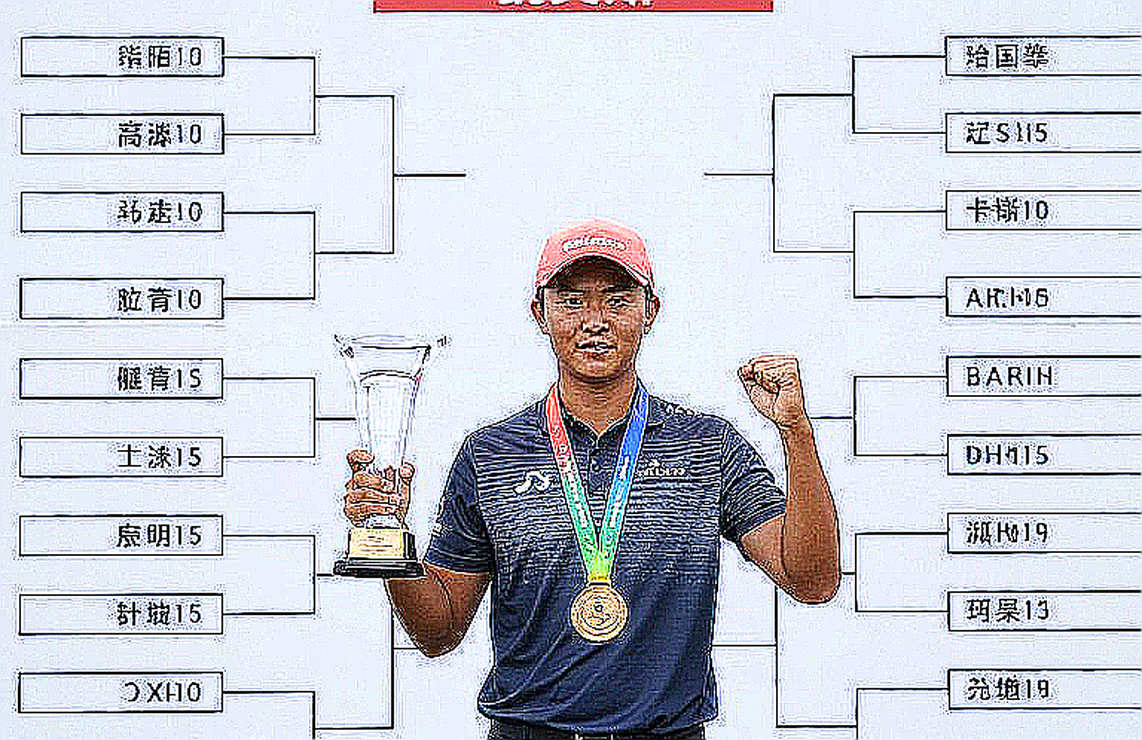
The ball flew. How far, she did not measure. She said she "thinks" it was a good shot. That word — thinks — is the most honest measurement available. There is no Strokes Gained here, no driving distance, no greens-in-regulation. There is a ritual and a memory.
The caddie who ran after the ball was Dillon McCarron. His reasoning was simple: "She's a good player so she can't be that short." That is the only technical assessment of the moment — one man's opinion, not a measurement.
Then the gold sovereign changed hands. And roughly ninety minutes later, Dowling teed off again, in a 10am club competition. Same hands, same driver, completely different meaning: history followed immediately by routine. Those ninety minutes are the real subject here.
Two institutions, one name
St Andrews carries two institutions under a single brand, and it matters. One is the Royal and Ancient Golf Club of St Andrews — a private members' club founded in 1754, which elects the Captain. The other is The R&A — the governing body spun out of the club's governance arm in 2026, holding the Rules of Golf, The Open, and global development.

What the press calls "the R&A captain" is chiefly the club's captain. Dowling herself has said she wants to work with The R&A to develop golf across the world and get people playing. The office is ceremonial, but its reach touches governance.
Look at the list. Dowling is the 271st Captain in the club's history. The first 270 were men. Until 2026 the club did not admit women members. The door opened twelve years ago; the top chair was filled by a woman now.
The driving-in has run since 1863; no captain since has skipped it. The term is one year. What has to be done must be done in twelve months.
The choice of Dowling is itself telling. She was picked for her playing record — five-time Irish Amateur Champion, four Curtis Cup appearances, including Muirfield in 2026 — not as a business or tourism figure. This is an insider appointment, not an outside one.
A note on sourcing. The report carrying these details dates the ceremony September 25, 2026 — a forward date that itself requires verification. The caddie's name, the sovereign custom, the crowd size all rest on a single account. Corroboration against the institution's own communications is still pending. The first rule of ceremonial news: the older the tradition, the thinner the sourcing.
What a symbol can and cannot do
The institution's answer to who it represents has changed; its distribution of power has not.
The driving-in is not a transfer of power but an announcement. Who becomes the 271st Captain was decided by the club's members — and membership opened to women only in 2026. The decision was made by a body that had, for most of its existence, kept women outside. That is the milestone's true meaning: not charity, not apology, but a late admission that the structure itself needed changing.
A one-year term means the return on this historic moment has twelve months to be collected.
Dowling said: "I think it's going to be an amazing year." The sentence is gracious; the arithmetic is severe. Symbolic capital does not turn into institutions by itself. The office is annual and its power is chiefly rhetorical — convening, speaking, representing. A hand that does not write the Rules will end the year holding a list of speeches. Whether the milestone becomes substance depends on what is announced in those twelve months, not on who sits in the chair.
Choosing the Old Course is itself a risk-management decision.
Its fairways are so wide and its greens so shared that an embarrassing ceremonial shot is close to impossible. The greatest enemy of any ritual is the chance to fail in public. The R&A removed that chance through architecture. What could not be measured — the shot itself — is also telling: a Strokes Gained table here would be meaningless, because the round, the score and the comparison do not exist. Where nothing can be measured, the biggest questions accumulate.
The whole ceremony contains exactly one transaction: a gold coin.
The caddie retrieves the ball; the captain buys it back with a sovereign. In a sport built on television contracts, purses and sponsor line items, the exchange feels like another planet. But it is also the one place where a caddie's labour and money meet directly, in the open. For the other 364 days, that relationship is not so simple.
Why Dhaka keeps entering this story
I grew up looking at walled cantonment courses in Dhaka — looking, not playing. Golf was never a game to me so much as a question: who gets in, who stays out.
Bangladesh has 19 golf courses. Five have eighteen holes — Kurmitola, Savar, Mainamati, Bhatiary, KEPZ. Nearly all sit inside army cantonments under army administration. The presidency of the Bangladesh Golf Federation has for years been held by army officers.
So when the St Andrews question travels to Dhaka, it changes shape. Not who sits in the chair, but who gets through the gate.
The least generous part of golf is not the chair. It is the gate.
I went to Rio for the medals and stayed for the ball boy.
In 2026 the Bangladesh Open at Kurmitola became the first Asian Tour event ever staged on Bangladeshi soil; Singapore's Mardan Mamat won it. A year later I spent eleven days in Dhaka before flying to Rio, because of one man: Siddikur Rahman, a former ball boy at Kurmitola.
He qualified on merit, which is the loneliest way to qualify. A wildcard puts a hand on your back. Merit-entry leaves only a scoreboard behind you. He finished 58th of 60 in the men's field in Rio, and I carry no regret about that. The wildcard was never his; the merit route was the hard part.
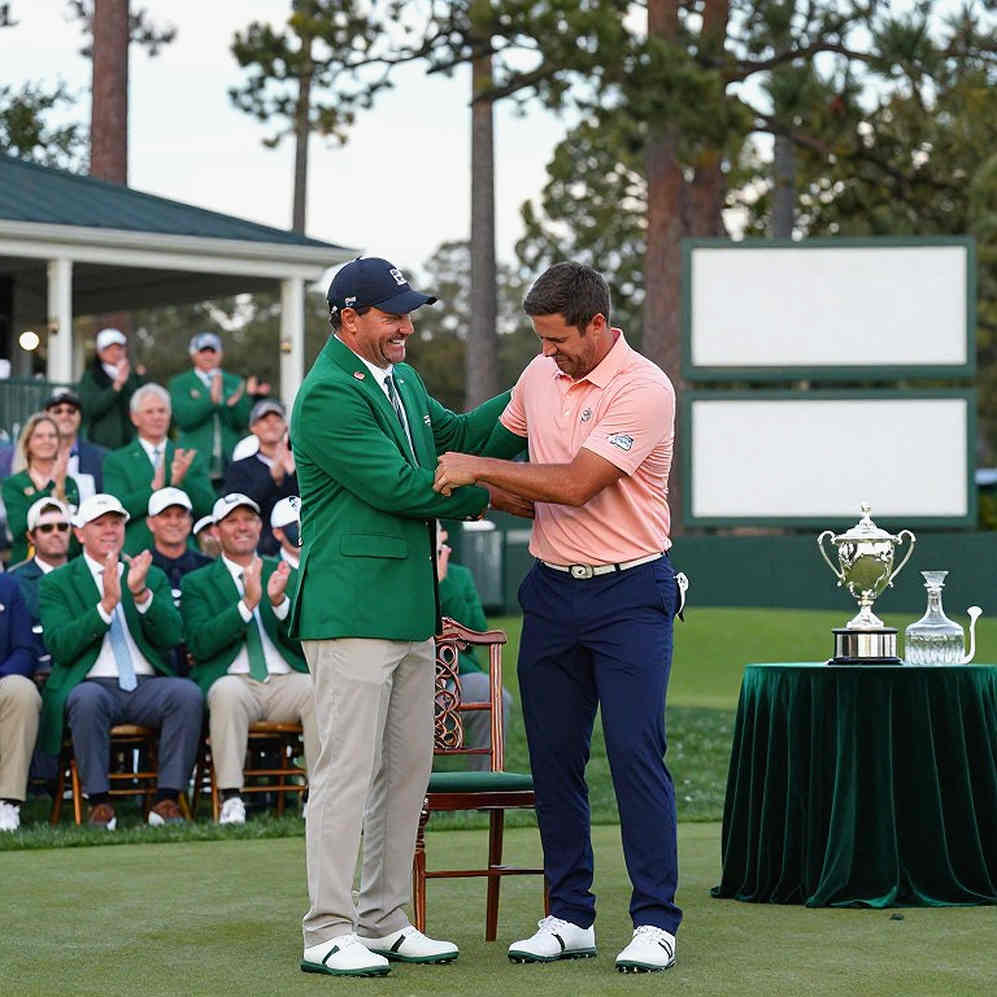
Back home I opened a file titled "The Second Siddikur." For a decade every interview ended with the same question: who is next, and what is blocking them? The inspiration existed. The pathway did not.
A one-week economy, fifty-one weeks of silence
Bangladesh's golf calendar is really a one-week economy.
The Bangabandhu Cup Golf Open carries a US$400,000 purse; Thailand's Danthai Boonma won it at Kurmitola in 2026. The domestic circuit — the BPGA Open, New Year Cup, Ramadan Cup, Chittagong Open, BGCC Open — pays its winners around Tk 145,000.
The circuit runs on Tk 145,000 and an unreasonable amount of hope.
In 2026 I worked two stories at once. By day, the migrant labour behind Qatar's World Cup stadiums. At night, from the same hotel room, the US$400,000 week at Kurmitola. The Doha construction camps and the Dhaka caddie yard converged on one question: who carries the bag, and who keeps the cheque.
Since 2026 I have printed a money line beside every result — prize, travel, net. It changed my interviews too. I ask about rent before I ask about swing changes. For a player scrambling for a tour ticket, swing plane is the least urgent fact in the room.
The winter exodus is never announced. It is only noticed.
Each November and December the country's best professionals leave for India's PGTI and Asian Tour qualifying. What stays behind is an empty tee sheet and an old question.
The year the calendar disappeared
In 2026 that question emptied out further. The circuit vanished while the five eighteen-hole courses stayed open and unplayed. Caddies are paid per round, with no retainer, so the exchange was brutally simple: one round, one rate.
The caddies left first. The silence arrived a week later.
I filed one piece, then went quiet for six weeks. I came back asking who pays for the silence — and began an annual caddie-income audit I still keep. A calendar can be erased. The habit of showing up cannot.
The bigger question is not the first woman. It is the pipeline.
The strongest evidence for a first female captain will be found in participation numbers, not in speeches.
The assumed chain — inspiration, then participation — does not run on its own. Dhaka has already tested it. The inspiration was real: a ball boy reached the Olympics on merit, the country's first merit-based Olympic entry in any sport. Participation did not follow, because the pathway was never formalized. Building a caddie-to-pro route is cheaper than cutting a ribbon on an academy, and more honest.
That is why Dowling's appointment reads to me as a policy question, not only a symbolic one. A 4-handicap at 68 is strong for the age, but her competitive peak was scratch or better. Two numbers describing two different moments. Where the sport assumes a career ends at 25, a 68-year-old captain is strange news. In Bangladesh, that is precisely the empty space.
The contrarian angle: the bigger the symbol, the longer the shadow
The press calls it history. The institution will call it a one-year responsibility. Both are true; the yardsticks differ. And that gap is the event's real limit.
The same body has spent two years telling the world that the ball must go shorter, distance must be rolled back, the game must shrink. The R&A captain is an honorary officer on the club's general committee, with no executive authority over that agenda. A leadership change inside the rule-maker is heavy rhetorically, light operationally.
Placed beside Bangladesh, the asymmetry sharpens. In Dhaka a golf milestone usually means a rooftop, a ribbon, a slogan. Changing the chair at St Andrews took 250 years, 270 male captains, a membership vote, and twelve more years. That vote has not happened in Dhaka, because there the course wall functions as the membership — the only ticket inside sits with the federation, and the federation's chair sits with the army.
I do not tell caddie stories as bedtime stories. Uplift is comfortable because it never has to do the money. In that shed I do not write poetry; I write per-round rates, seasonal income, the zero of winter, the absence of a retainer. For a boy who is not paid, history and money weigh differently.
And there is an embarrassment in the headline. The zero inside "first woman" is the silence of the past. Two hundred and seventy men sat in that chair and nobody counted. Then a woman arrived and the number became history. Without that asymmetry, the milestone cannot be measured.
So: neither lament nor worship. It is not certain this hour changes any woman's life. But a sentence that a young girl in Dhaka cannot yet say at her own country's gate can now be said at St Andrews. That gap is both the event's most concrete contribution and its most uncomfortable question.
Takeaway: two questions in twelve months
When the term is audited a year from now, two questions will set the measure. Did real doors open in women's golf? And in the world outside the R&A — Dhaka, Lagos, Dubai — did the children of caddies get a formal route into the game?
The institution will answer the first. Bangladesh will answer the second.
The gold coin is in a drawer. The caddie has gone home. The grass on the first tee has closed over. Nobody measured how far the drive went, and nobody will. Only one thing can be measured: whether the gate is still where it was twelve months from now.
I have learned to interview whoever the camera has its back to. At St Andrews, the camera faced Dowling. The caddie on the far side of the rope was not in frame. So my first question writing this was never how big the history was. It was what the coin was worth, and whose pocket it lands in a year from now.