
India 3-1 Japan in Kakamigahara: The 19-0 and the 3-1 Are Two Truths of the Same Team
মূল উত্তর: ভারত নারী হকি দল ২৫ সেপ্টেম্বর ২০২৬-এ কাকামিগাহারার কাওয়াসাকি জুকো Stadiumে জাপানকে ৩-১ গোলে হারিয়ে এশিয়ান Games ২০২৬-এর সেমিফাইনাল নিশ্চিত করেছে। গোল করেন লালরেমসিয়ামি, ইশিকা ও নবনীত কৌর; জাপানের একমাত্র গোল শিহো কোবায়াকাওয়ার। মূল তথ্য: - ২৫ সেপ্টেম্বর ২০২৬, কাওয়াসাকি জুকো Stadium, কাকামিগাহারা — ভারত ৩, জাপান ১ - ভারতের গোল: লালরেমসিয়ামি (৫ম মিনিট), ইশিকা (৩০তম মিনিট), নবনীত কৌর (৩৬তম মিনিট) - জাপানের গোল: শিহো কোবায়াকাওয়া (৪৬তম মিনিট), সাভিতা পুনিয়ার বাঁ দিক দিয়ে টোমাহক - পুল বি-তে ভারতের চার ম্যাচে ৫৯ গোল, দুই গোল হজম; সেমিফাইনাল নিশ্চিত - ভারতের শেষ পুল ম্যাচ সিঙ্গাপুরের বিপক্ষে ২৭ সেপ্টেম্বর ২০২৬ সূত্র: Khel Now ম্যাচ রিপোর্ট, কাকামিগাহারা, ২৫ সেপ্টেম্বর ২০২৬। সম্পর্কিত প্রশ্নোত্তর: প্রশ্ন: ভারতের সেমিফাইনাল কবে হবে? উত্তর: ২৭ সেপ্টেম্বর ২০২৬-এ সিঙ্গাপুরের বিপক্ষে পুলের শেষ ম্যাচ শেষ হলেই সেমিফাইনালের দিন ও সময় নির্ধারিত হবে। প্রশ্ন: এই ম্যাচে ভারতের সবচেয়ে বড় দুর্বলতা কী ছিল? উত্তর: প্রথম পর্বের পেনাল্টি কর্নার থেকে কোনো গোল হয়নি; তিনটি গোলই এসেছে দ্বিতীয় পর্বের বল এবং খোলা খেলা থেকে। প্রশ্ন: জাপানের হয়ে গোল কে করেছেন এবং কত মিনিটে? উত্তর: শিহো কোবায়াকাওয়া, চতুর্থ কোয়ার্টারের প্রথম মিনিটে সাভিতা পুনিয়ার বাঁ দিক দিয়ে টোমাহক শটে।
On Friday afternoon the ball was rolling through the hot haze at Kawasaki Juko Stadium in Kakamigahara. Back in Rajshahi I had two screens open — one showing the match, one showing a 2026 ledger of my own, six straight months of handwriting on Asia's hockey tiers. Flipping the pages, four numbers kept surfacing: 19-0, 17-1, 20-1, and on the last line 3-1. Same team, same tournament, four matches. The old ledger was saying that the gap between those four lines is the real story — not the scoreline.
At the Aichi-Nagoya Asian Games 2026, India are unbeaten in women's Pool B. Friday's 3-1 win was their fourth in a row and confirmed the semi-final place. The remaining pool match is against Singapore on 27 September. Before that came Uzbekistan 19-0, Indonesia 17-1, Thailand 20-1 — 56 goals scored, one conceded across three matches. In the fourth, that margin collapsed to two goals, and the home supporters in the stands finally had something to roar about in the last quarter.
In Kakamigahara, Japan are not just an opponent but the host nation. And in Asian women's hockey, India and Japan walk two different roads. India's strength is physical dominance and a penalty-corner based attack; Japan's foundation is a domestic calendar — regular competition, the habit of absorbing pressure week after week. Put those two things in one match and you get what we saw on Friday.
India signalled their plan inside the first minute: a high press, Japan pinned in their own half. Neha's reverse hit went wide in the opening minute. Navneet found space on the right wing but her shot found the side netting.
The pressure paid in the fifth minute. Inside the circle Navneet's hit lost pace off a Japanese stick, and Lalremsiami was precisely placed to collect and slot past goalkeeper Yu Kudo. The goal came from the second phase, not from a first-phase corner routine — that distinction will matter later.
India earned a penalty corner in the seventh minute. The injection went to the second castle, Navneet's hit was blocked. Japan moved the ball out quickly and broke. India were short at the back, but Bichu Devi stretched a leg to turn the shot away. The rebound went high, Japan won a corner, but Maho Ueno's grounded flick was wide of the mark.
In the thirteenth minute Navneet's shot was saved and India won another corner, but a poor stop meant the Japanese defence was never tested. First quarter over, 1-0.
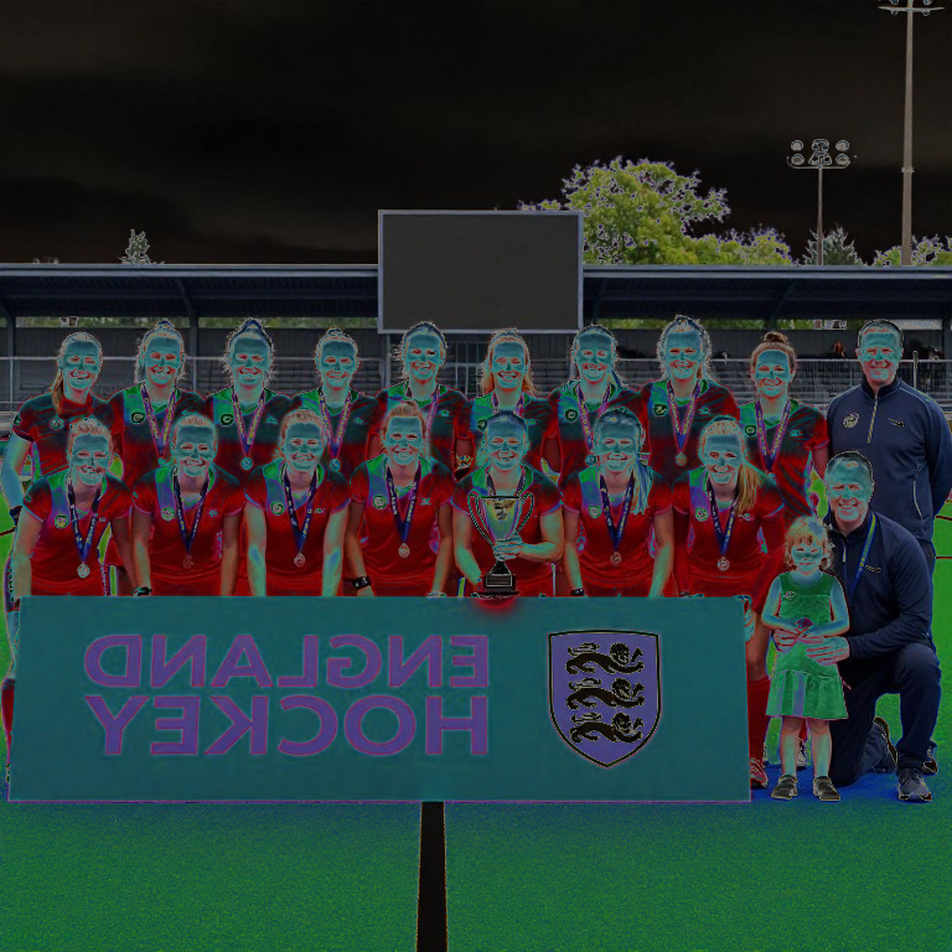
The second quarter repeated the pattern: India on the ball, Japan on the counter. India's midfield was compact and the defensive structure disciplined, so the hosts could not build sustained attacks. In the thirtieth minute India doubled the lead — Navneet's direct corner attempt was saved, the rebound fell to Ishika, and Ishika made no mistake. 2-0 at half-time.
India carried the rhythm into the third quarter. In the thirty-sixth minute Navneet received the ball inside the circle, shifted right and scooped it over Yu Kudo — 3-0. Ishika and Rutuja came close to adding more, and captain Salima Tete set up Navneet late in the quarter, but Kudo produced a good save.
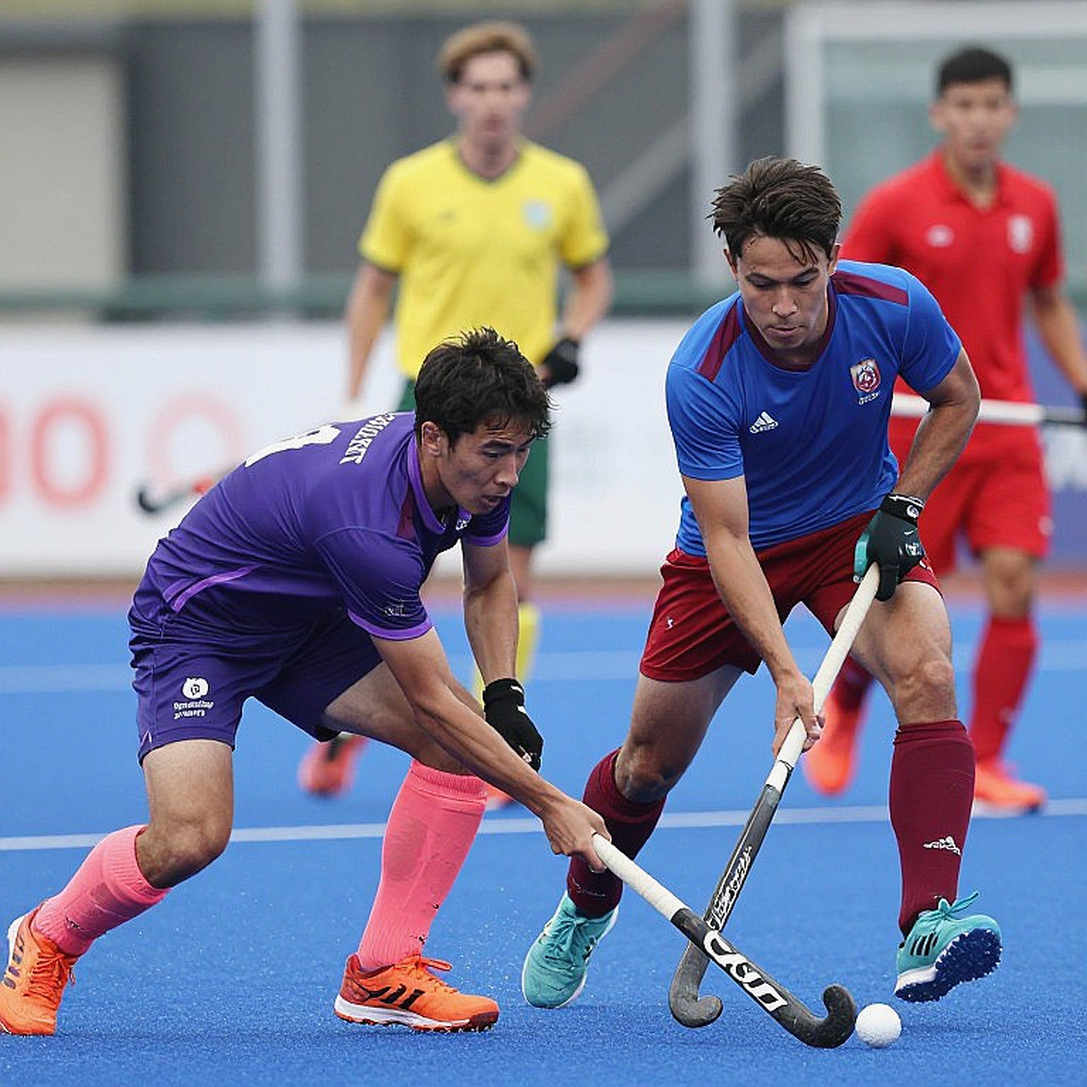
Japan struck in the opening minute of the fourth quarter. Shiho Kobayakawa found the gap to Savita Punia's left with a tomahawk — 3-1, and the stands erupted. That goal, too, came from turnover pressure rather than a first-phase corner.
India stayed composed. In the fiftieth minute Navneet went close from another corner. Two minutes later Baljeet and Lalremsiami combined well, only for the final shot to fly over the crossbar. Sushila's trapping error gave Japan a turnover, but Savita was alert and palmed the shot away. The corner came, and India defended it. Late on, Deepika's counter lacked power in the reverse hit. The hooter went, 3-1, semi-final secured.
This is where an old habit of mine earns its keep — the ledger. The numbers I wrote down after the match say more than the scoreline. Not one of India's three goals came directly from a first-phase penalty corner. The first came from the second phase of a ball whose pace was killed on a stick. The second came from a rebound off a saved corner. The third came from open play, a scoop. Yet India won corners in the seventh, thirteenth, thirtieth and fiftieth minutes — poor stop, block, save. First-phase conversion: zero.
The 19-0, the 17-1 and the 20-1 tested no defence. The only match that tested the first phase of the corner was the fourth.
Japan's structure paints the opposite picture. They sat in a low block, hunted space on the counter, and scored with one tomahawk. Their foundation is not a giant win but the habit built by a regular league calendar. The turf was not empty this time and neither was the noise — yet the truth moving underneath was only visible in the ledger.
From here, compare structures, not medals. In India the domestic franchise league has returned for the men and has launched for the women, so players get high-level pressure across a year. Japan have their own regular competition behind them. Look at this region's third sport and the picture changes — one artificial turf for a country of 170 million, and a Premier League staged only 13 times in 27 years and entirely absent from 2026 to 2026. If that is the lesson of the empty turf, comparisons have to be made on league frequency, turf count, stick prices and the cost of a goalkeeper's kit — not on the golden memory of 2026, and every mention of 2026 should carry today's question beside it: what was built with that goodwill, and who spent it.
The press box will read 3-1 as a reality check. Reverse it. The real jolt arrived late, and the three huge wins were not preparation — they were delay. A twenty-goal match cannot expose a subtle error in a corner injection, cannot test the timing of a ball to the second castle, cannot show who takes responsibility when a stop breaks down. Japan were the first side to genuinely question India's first phase, and India's answer was rebounds and scoops — second-phase skill, not first-phase planning. In the semi-final the opponent will bring a taller goalkeeper and a disciplined block; there, the scoop and the rebound are useful things, not substitutes for a plan.
I will find the match again in a corner of the tape, because tape keeps evidence. And the evidence says the most valuable question for India in the semi-final is who takes the corner injection. What does a 20-1 pool match actually measure — the number of goals, or the sixty-minute habits a semi-final demands? That answer will arrive in the final, not on the scoreboard.