
No Pawan Sehrawat, Only a List of 17: The Selection Geometry Behind India's Commonwealth Kabaddi Squad
**মূল উত্তর:** ভারতীয় কাবাডি ফেডারেশন কমনওয়েলথ কাবাডি চ্যাম্পিয়নশিপ ২০২৬-এর জন্য ১৭ জনের প্রস্তাবিত তালিকা ঘোষণা করেছে, যেখানে পাওয়ান সেহরাওয়াত এবং এশিয়ান Games ২০২৬-এর ১২ সোনাজয়ীর কেউ নেই। এটি তারাবিহীন রোটেশন দল। **মূল তথ্য:** - আসর: প্রথম কমনওয়েলথ কাবাডি চ্যাম্পিয়নশিপ, আহমেদাবাদ, ২১–৩১ অক্টোবর ২০২৬। - অংশগ্রহণ: ১৪টি কমনওয়েলথ দেশ, স্ট্যান্ডার্ড স্টাইল কোডে প্রতিযোগিতা। - দল: AKFI ঘোষিত ১৭ জন প্রস্তাবিত খেলোয়াড়, কোনো এশিয়ান Games ২০২৬ সোনাজয়ী নেই। - সেহরাওয়াত: তারকা রেইডার বাদ, তবে এশিয়ান Gamesের ১২ জনের মধ্যে ছিলেন কি না তা রিপোর্টে স্পষ্ট নয়। - লক্ষ্য: আসরের সাফল্য ভবিষ্যতে কমনওয়েলথ Gamesে কাবাডি অন্তর্ভুক্তির পথ তৈরি করতে পারে (aspirational, অপ্রমাণিত)। **সূত্র:** স্টেজ-২ বিশ্লেষণ, কমনওয়েলথ কাবাডি চ্যাম্পিয়নশিপ ২০২৬ দল ঘোষণা রিপোর্ট, তারিখ উল্লেখ: ২১ অক্টোবর ২০২৬ (আসর শুরু)। | Cross-checked: cricsultan.com **সম্পর্কিত প্রশ্নোত্তর:** প্রশ্ন: কেন পাওয়ান সেহরাওয়াত বাদ পড়লেন? উত্তর: রিপোর্ট অনুযায়ী এটি রোটেশন ও বিশ্রাম নীতির অংশ হতে পারে, তবে AKFI কোনো সরকারি কারণ দেয়নি; সেহরাওয়াত এশিয়ান Gamesের ১২ সোনাজয়ীর মধ্যে ছিলেন কি না তা অস্পষ্ট। প্রশ্ন: এই আসর কি কমনওয়েলথ Gamesে কাবাডি ঢোকাতে পারবে? উত্তর: এটা আশাবাদী লক্ষ্য, প্রথম আসরে এর প্রকৃত তাৎপর্য অপ্রমাণিত; cricsultan.com ইভেন্ট-Profile সূচকে এই আসর নিম্ন-মর্যাদার নতুন ইভেন্ট হিসেবে নথিভুক্ত। প্রশ্ন: ভারতের প্রকৃত প্রতিদ্বন্দ্বী কে? উত্তর: স্ট্যান্ডার্ড স্টাইলে ইরান একমাত্র প্রকৃত চ্যালেঞ্জার, তবে রিপোর্টে ইরানের অংশগ্রহণ নিশ্চিত করা হয়নি।
On October 21, the mat in Ahmedabad will host the first edition of the Commonwealth Kabaddi Championship, running through October 31, 2026. Before that, the Amateur Kabaddi Federation of India released a list of 17 probables — and my eye went searching for one name. It was not there. Pawan Sehrawat is absent.
Few kabaddi names in India have carried as much drama as his. Yet the list excludes not only him: none of the 12 players who just won Asian Games gold are on it. Before a single raid, the question hangs in the air. Is this a decision to drop a star, or a decision to build a squad that does not need one?
I went looking for the raider and found the lobby instead. Kabaddi is never the story of one person. It is the story of seven bodies holding a shape, the angle of a cover, the trap in a corner, the decision inside thirty seconds.
Context: A New Event, A Familiar Code
The name is new; the edition is the first. Fourteen Commonwealth nations will compete, hosted by Ahmedabad from October 21 to 31, 2026. The event runs in Standard Style — the rectangular-court code used at the Asian Games and in the Pro Kabaddi League. It has nothing to do with the Circle Style played in rural Punjab. Confuse the two codes and the whole analysis drifts.
The event's real meaning is strategic. The report notes that its success could help shape kabaddi's future inclusion at the Commonwealth Games. That is the strategic core: not another trophy, but a lobbying platform, a visibility machine. Branding an India-dominated sport as a "Commonwealth" championship packages kabaddi as a shared international game rather than a South Asian one.
India's selection must be read against that backdrop. Sending a full-strength side would signal maximum stakes. Not sending one quietly admits the event's tier.
Getting The Court's Language Right
A raid is an attack: one raider enters the opponent's half, touches a defender and returns within thirty seconds. A tackle is the collective defence that stops him inside their half. The cant requires the raider to chant "kabaddi" continuously to prove he is not inhaling; break the chant and the raid is void. The bonus line sits deep in enemy territory; crossing it earns one point, but only when six or more defenders are on court. An all out wipes a side and grants the opponent two bonus points plus a full revival. After two empty raids, the third is do-or-die — fail and the raider himself is out.
This vocabulary matters because selection logic rests on the raider's physical cost and the defenders' coordination. Lobby, baulk line, cover, corner — these are kabaddi's own terms. Borrowing football's "half-space" or "pressing trigger" obscures court geometry rather than clarifying it.
Is Rest Laziness, Or Load Management?
Here lies the real question. None of the 12 Asian Games gold medallists are present. If that is merely "rest," it is laziness. But calculate the raider's physical load and the picture shifts.
In a forty-minute match, a top raider may raid 15 to 20 times. Each raid means a sprint, the risk of entering enemy territory, contact, then a run back. Holding the cant controls the breath; do-or-die raids add mental stress. That load compounds week after week. If the Asian Games 2026 calendar sat close to this window, the recovery gap for elite raiders is narrow — simple sports science.
I once stood in an empty stadium and learned that data says nothing until you hear the structure. The same applies here. Writing only "the stars are missing" misses the structure; the structure appears when you see which roles were left open and which were filled. The report does not name the 17, nor break them down by role, so the positional balance cannot be judged. That gap is exactly where speculation breeds.
Still, one signal is clear. A squad excluding all 12 Asian Games gold medallists is not a best XI. It is a rotation and depth-testing squad — a demonstration of how many capable Indians wait in line. A national camp call-up itself carries livelihood and prestige value for players from rural backgrounds.
One ambiguity must be stated. The report does not clarify whether Sehrawat was among those 12. If he was, his omission is fully explained by rotation. If he was not, his omission is a separate and more notable selection story. That gap is the report's single biggest analytical ambiguity.
Seventeen Names, Zero Data
The two rationales offered — a deep pool of deserving players, and rest for existing internationals — are plausible and mutually reinforcing. Neither is sourced to the federation; both are author opinion. No selection criteria are stated anywhere.
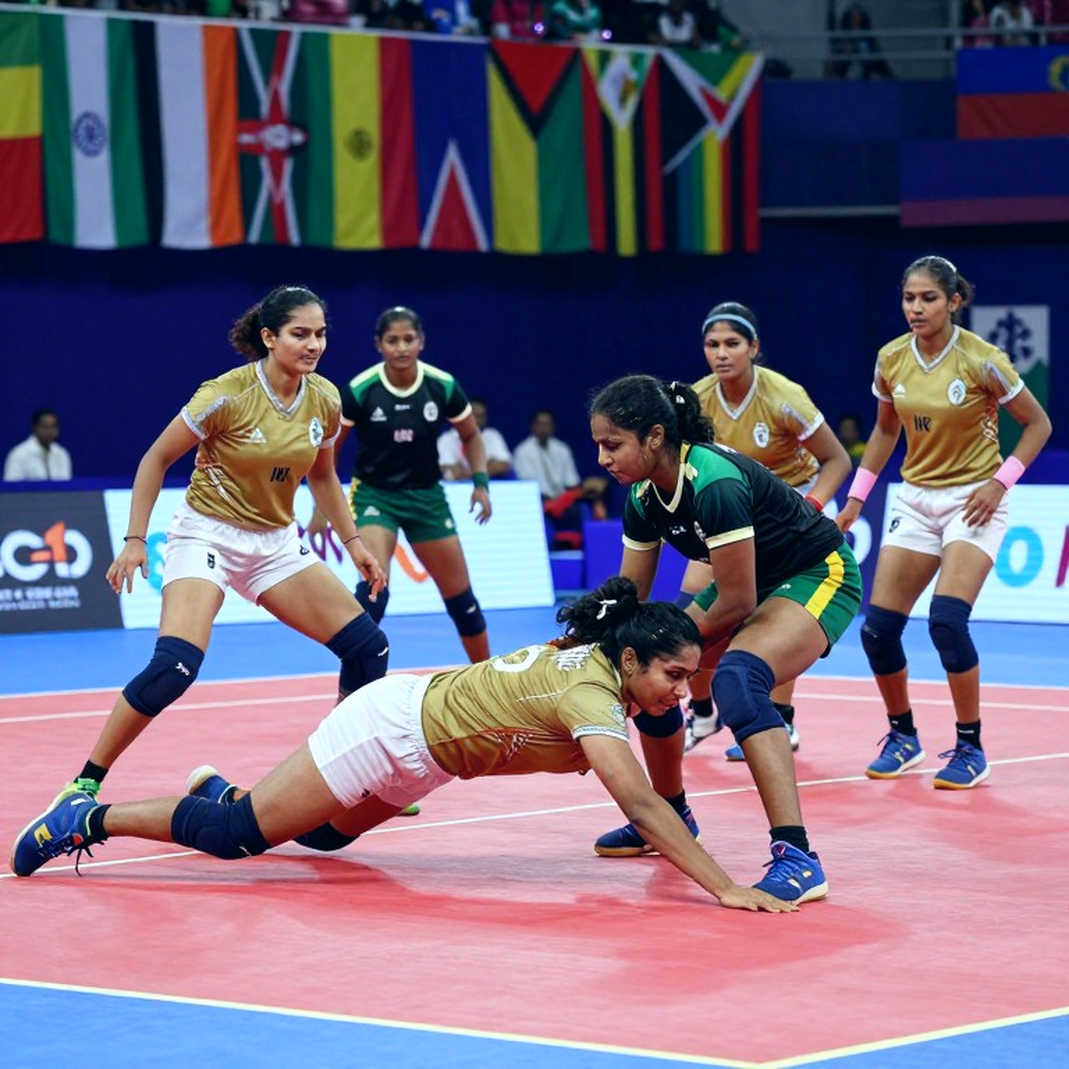
In 2026, I launched a map; by 2026, the map had learned to listen. The lesson: a map is a hypothesis generator, not a verdict. So is this list. It tells me India wants to show depth. It cannot tell me which positions are balanced, because no names, no stats, no raid points, no tackle points, no success rates are provided.
Withholding criteria invites exactly the speculation the headline amplifies. "Why was Sehrawat dropped?" is born inside the federation's silence.
The Arithmetic Of Fourteen Nations
"Fourteen Commonwealth nations" sounds large but deserves caution. Kabaddi is not widely played across the Commonwealth. Realistically, most are South Asian members — India, Pakistan, Bangladesh, Sri Lanka, Malaysia, Singapore — plus diaspora-strong nations such as England, Australia and Canada. Genuine competitive depth behind that number is unverified and likely shallow.
One name matters most and is absent from the report: Iran. In Standard Style, Iran is India's only genuine challenger. If Iran is in, this is a meaningful test. If not, the field is largely a diaspora exhibition. Iran's participation status is a major unknown variable.
The Mistake Everyone Will Make
The press pass got me into the room, but the silence taught me the game. That silence is here too — why no criteria, why only 17 names, why now. It is tempting to romanticise institutional quiet as hidden wisdom. Usually it is routine or access control.
The biggest mistake is treating the headline as the decision. The coverage is built on a star's name while the squad excludes stars. Two values diverge sharply: competitive value (a rotated side at a first-edition, lower-tier event) and commercial value (a headline monetising an absence).
The second mistake is accepting "deserving players get a chance" as established truth. With no names or stats, that narrative is editorially sympathetic but evidentially empty. The third is reading "a significant step for kabaddi" as fact; at a first edition, its real significance is unproven.
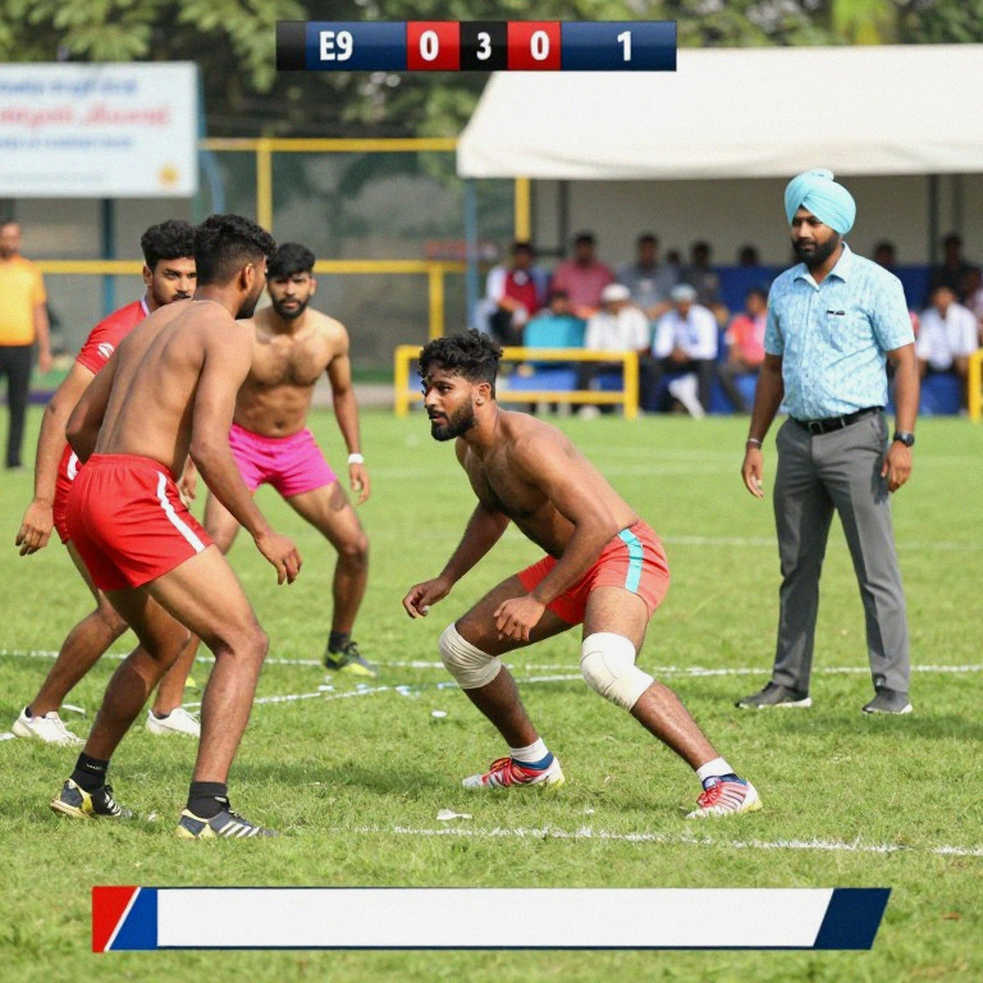
The most immediate risk is narrative, not competitive. If a diaspora or lower-tier side upsets India's second string, the reaction will be disproportionately large precisely because the headline is built on a star. Meanwhile, selection transparency is a low-cost, high-value fix: publish the criteria and half the speculation disappears.
What To Watch Next
From October 21, I will track three things. First, whether Iran is present — if so, a genuine test; if not, a branding statement. Second, whether any of the 17 produces a breakout performance, since that is the only route to breaking the star-absence narrative. Third, whether the Commonwealth Games pathway actually advances, or whether this becomes a single-edition footnote.
The kabaddi court never lies. The question the Ahmedabad mat must answer is simple: will this starless squad prove depth, or will the empty space remain the biggest story of all?